Bangabondhu, Bangladesh and our independence have very closed relation. Bangabondhu Sheikh Mujibur Rahman had one of the great nationalizes leader in the world. Bangabondhu (http://www.humanrightstoday.info/?p=714) was the pioneer and architect of independent Bangladesh and its sovereignty. His political prudence, indomitable courage, eloquence and powerful leadership motivated the countrymen to join in the war of liberation.
Ebarer shongram amader shadhinathar shongram
Bangabondhu proclaimed independence on March 26 in 1971 and the people dived into nine months long bloody battle and achieved the long desired sweetest freedom, He also gave restless effort to represent an esteemed Bangalee nation on the world stage. His golden-etched name will remain in the history of Bangalees and Bangladesh forever. But our nation has been waiting from 34 years for justice his brutal murders.
August 15 in 1975 is a black-chapter in the history of Bangalee nation. Bangabondhu and his family members were ruthlessly murdered by anti liberation force and with the help of army member in this day. And the nation incurred an irretrievable loss. The nation is deeply shocked and full with grief for this shameful incident. Now, Prime Minister Sheikh Hasina, the daughter of Bangabondhu is the main target by killer’s group especially Islamic militant group.
sheikh russell
The country today observes National Mourning Day on the 34th death anniversary of Father of the Nation Bangabondhu, with a vow to implement the longstanding High Court verdict in the case in connection with his murder. The day is a public holiday. The government chalked out nationwide programmes to observe the day at the state level. Prime Minister Sheikh Hasina (she is a daughter of Bangabondhu), will visit her father’s grave at Tungipara under Gopalgonj district today. Along with ruling Awami League (AL), different political parties, and student and socio-cultural organizations also planned programmes to mourn the killings of Bangabondhu and most of his family members on this day in 1975. Three separate attacks on this day 34 years ago left 24 people killed. Bangabandhu’s two daughters — Sheikh Hasina and Sheikh Rehana — could escape the bloodbath as they were abroad at the time. The victims also including wife of Bangabondhu Begum Fazilatunnesa Mujib, sons Sheikh Kamal, Sheikh Jamal and nine-year-old Sheikh Russell, daughters-in-law Sultana Kamal and Parveen Jamal, brother Sheikh Naser, nephew Sheikh Fazlul Huq Moni and his wife Begum Arju Moni, brother-in-law Abdur Rab Serniabat, 13-year-old Baby Serniabat, Serniabat’s son Arif and four-year-old grandson Babu, three guests, Bangabondhu’s four domestic helps, and his security chief Col Jamil Uddin Ahmed.
ahsan ullah master এম পি
Bangabondhu united the Bangalees to throw off the shackles of Pakistani oppression and steered them towards independence. His stirring speech on March 7, 1971, before a crowd of lakhs ready to stake everything for freedom, left an indelible imprint on the nation’s memory. For 21 long years, his killers had been immune from prosecution due to the Indemnity Ordinance, which was finally repealed in 1996, paving the way for trials of the killers. A murder case was filed on October 2, 1996. In November 1998, a trial court awarded death penalty to 15 former army officers for killing Bangabondhu and his family members. The High Court (HC) upheld the death sentences of 12. Five of the condemned — dismissed army personnel Lt Col Syed Farooq-ur Rahman, Lt Col Sultan Shahriar Rashid Khan, Lt Col Muhiuddin Ahmed, Maj AKM Mahiuddin Ahmed, and Maj Bazlul Huda — are behind bars while six are hiding abroad. Another condemned Aziz Pasha died. The five condemned convicts filed separate appeals with the Appellate Division of Supreme Court in the last week of October 2007 against their death sentences pronounced by the HC.Law Minister Shafique Ahmed recently told journalists that hearings of the appeals will start soon as there is no shortage of judges in the Supreme Court now. The condemned six still at large are Shariful Haque Dalim, AKM Mahiuddin, Rashed Chowdhury, Nur Chowdhury, Abdul Mazed, and Moslemuddin.
Ivy Rahman
In the daily Star published a special report on 15 August of 1975. The report says. Islamic radicalism, menacing the nation for years now, was something India and the United States learnt to dread soon after the assassination of Bangabondhu Sheikh Mujibur Rahman. Documents lately declassified by the US Office of the Historian show the apprehension had its roots in the perception that Bangabondhu’s killers–all military officers–were “pro-US, anti-Soviet Union, Islamic, and less pro-Indian than the past leadership”.
The August 15 bloodbath in 1975 left Mujib and most of his family butchered and his party in total disarray. It led to the assumption that Pakistan would regain its sway on the nation it sought to subdue only a few years back. In the context of the cold war dynamics, India and the US were also concerned that China, which recognized Bangladesh only after August 1975, might help radical communist elements thrive in the delta sliding into militocracy. All these worries were reflected in a conversation between the then US secretary of state Henry Kissinger and Indian external minister YB Chavan.
The US Office of the Historian, which is responsible for preparation and publication of the official historical documentary record of American foreign policy, has transcript of the conversation that took place at the US Department of State on October 6, 1975. There, the discussion related to the developments in Bangladesh goes like this:
YB Chavan: The new president [Khandaker Mushtaque Ahmed] has sent us assurances that he was standing by the same policy but we are concerned, in particular, whether the new government will take an extreme Islamic posture. This would create problems for the minority in Bangladesh. If the Hindus again feel insecure, there might be a new wave of refugees. Kissinger: Is there a large minority group in Bangladesh? Chavan: About 15%. It is a major factor. So far the new government (after Mujib killing) has given assurances it would follow the same policy as Mujib, but we are naturally worried about the influence of Pakistan on Bangladesh. Kissinger: What is your impression? Chavan: They have just announced diplomatic relations. This is a good thing. Even under Mujib we recommended this. We never wanted an exclusive relationship with Bangladesh. Our worry is only this: That they might try to give a different connotation to the situation by giving an Islamic twist to things. Also the Chinese recognized [Bangladesh] only after the coup. Frankly, we are worried. There are radical communist elements in Bangladesh which the Chinese might try to help. Here we hope the US and India will have a common approach.
After a while, Kissinger asked his Indian counterpart, “What is the tendency of the [Bangladesh] military? Is it anti-Indian?” Chavan replied, “Frankly, there is some anti-Indian tendency, I am sorry to say.” At this point, Kewal Singh, the then secretary of Indian external affairs ministry, chipped in, “Some people hostile to Mujib were brought back. We don’t want to give the impression we are concerned but pro-Islamic and pro-radical groups have some strength.”
bastard war criminal Henry Kissinger & othersChavan and Kissinger met the following day as well and talked about Bangladesh. Almost immediately they got down to serious talking about political ramifications of the August 15 coup d’état. Yet again, the Indian minister said, “We are worried about Bangladesh. Radical movements are already there. If Pakistan and China converse their efforts, this could pose a problem. This would be a new factor in South Asia which needs assessment.” The secretary of state said, “Previously, the Chinese were opposed to Bangladesh. They were not among Mujib’s admirers.” As he asked if India had any advance indication of the coup, his opposite number replied, “None.”
Kissinger then observed, “People are always complaining that we don’t know about things in advance…They should realize that any coup that succeeds must have fooled someone. Mujib just couldn’t have imagined that anyone would organize a coup against him. As I understand it, your relations with Bangladesh are now good. What you are concerned about is a future possibility.”
TN Kaul, the then Indian ambassador to the US, added, “The danger is Pan Islamism.” At one point, Kissinger said, “The real worry would be if countries with resources like Saudi Arabia get radical leaders. Then there would be trouble.” Kaul said, “One reason why we banned the Jamaat Islami and RSS is that these parties were getting money from the outside.” The Kissinger-Chavan meeting gives an impression that none of the two countries had prior knowledge of the military takeover.
But the US state department’s documents suggest quite the contrary. They show that like India, the US had gathered that something sinister was brewing, and it had even informed Bangabondhu about it. Minutes of a staff meeting headed by Kissinger after August 15, show that the US was well aware of the plot. There, Kissinger was heard enquiring Alfred Atherton Jr., assistant secretary of state for Near Eastern and South Asian affairs in 1974-1978, about the assassination. Atherton said the US had lots of indications in March that some quarters were scheming to kill Mujib. Kissinger asked, “Didn’t we tell him [Mujib] about it?” The assistant secretary of state said, “We told him at the time.” As his boss pressed to know if Bangabondhu was told who it was going to be, Atherton answered, “I will have to check whether we gave him the names.” At that point, Hyland of Bureau of Intelligence and Research said, “We were a little imprecise on that.”
Referring to the US alerting Bangabondhu to the danger of an attack on him, Atherton said, “He [Mujib] brushed it off, scoffed at it, and said nobody would do a thing like that to him.” Kissinger remarked, “He was one of the world’s prize fools.” Talking about the coup leaders, Atherton said, “They are military officers, middle and senior officers, who are generally considered less pro-Indian than the past leadership; pro-US, anti-Soviet.” The secretary of state responded, “Absolutely inevitable.” And Atherton went on, “Islamic. They have changed the name to the Islamic Republic” Kissinger said, “That they would be pro-US was not inevitable. In fact, I would have thought at some turn of the wheel they were going to become pro-Chinese, and anti-Indian I firmly expected. I always knew India would rue the day that they made Bangladesh independent. I predicted that since ’71.”
Major Dalim, one of the on-the-run convicted killers of Bangabondhu, in a radio announcement soon after the killings declared the country would now be named “Islamic Republic of Bangladesh”. The declaration which eventually did not materialise was a complete contrast to the secular ideals that stirred Bangalees to fight for independence from “Islamic Republic of Pakistan” in 1971.
Though the republic’s name was spared a change, its constitution soon lost secular character. The original charter saw secularism dropped as one of its four fundamental principles. It also had ‘Bismillahir Rahmanir Rahim’ in the preamble.
Even more alarming was the scrapping of the ban on religion-based political parties. During the rule of Ziaur Rahman, five parties including Jamaat-e-Islami, which collaborated with the Pakistani occupation forces and committed genocide and numerous atrocities during the Liberation War, were allowed to be in politics again. The government of independent Bangladesh in its first decision banned these parties that always oppose the nation’s independence and thrive on communal disturbances. In the early 80s, the country’s second military ruler HM Ershad introduced Islam as state religion, dealing a death blow to secularism.
The rise of Islamist militancy, once a fear, is a reality now, 34 years after the August 15 carnage. During the BNP-Jamaat-led rule in 2001-2006, Islamist outfits spread tentacles across the country thanks to patronage from some influential leaders of the ruling alliance. Though the BNP government woke up to the dangers of militancy towards the end of its tenure, it was too little too late. Now the task lies with Awami League-led grand alliance that came to power on promises that include the one to root out militancy. And at the centre stage in the combat against militancy is Prime Minister Sheikh Hasina, who herself had been the target of several attacks.
Now the peoples of Bangladesh have don’t want to bother any late to execute the killers of Bangabondhu. In the same time we want to see immediately the constitution of 1972 which was made after our independence. We want to see to our loving country Bangladesh as an actual democratic country, there will have rule of law, good governance, enough food for our poor peoples, nutrition for all children’s, there have no discrimination. Source: the daily Star & BD
You can agree or disagree with his political philosophy, but even his enemies have no doubt about the patriotism of this man: Sheikh Mujibur Rahman, the founding father of Bangladesh. He spent most of his life fighting against the injustice bestowed upon Bangalees, first by the British, and then by the Pakistani Panjabi military/civil junta. After the mass uprising of 1969, he was given the title “Bangabandhu”, means “Friend of Bengal”. He is largely known as Bangabandhu among the millions of Bangalees.
History of Bangladesh is largely interconnected with the life of Bangabandhu. He was a young political activist during the British rule. He was active in every political event of then East Bengal/East Pakistan: the Language Movement of 1952, Jukta Front election of 1954, Student Movement of 1962, 6-Point Demand of 1966, Mass Uprising of 1969, and finally Bangladesh Liberation War of 1971 against the Pakistanis. He was imprisoned more than a decade during the 24-years of Pakistani rule.
What the Pakistanis could not do, some corrupt military officers were able to do so in our own soil. They killed Bangabandhu along with most of his extended family in August 15, 1975, just after 3 and 1/2 years of independence. Two of his daughters, Shiekh Hasina and Sheikh Rehana, survived. In November 4, 1975, they killed 4 national leaders, cornerstone of our Liberation War: Syed Nazrul Islam, Taz Uddin Ahmed, Captain Mansoor Ali, and Kamrujjaman.
Without a doubt, Bangabandhu is the greatest Bangalee of our known history. He gave us a nation, a new country, a new identity. Even today, he is more powerful as dead than anyone of us alive.
Credits:All of the pictures and information in this book is contained in the book JATIR JANAK Father of the Nation, publised by Father of the Nation Bangabandhu Sheikh Mujibur Rahman Memorial Trust, Road 32, Dhanmondhi R/A, Dhaka-1209. This book was published in August 1, 1997 and available in Muktizuddha Jadughar, Dhaka
The murderers of Bangabandhu should be bringing back.
“Bangabandhu” Sheikh Mujibur Rahman: A Political Profile
1920
Sheikh Mujibur Rahman was born in a respectable Muslim family on 17 March 1920, in Tungipara village under the then Gopalganj subdivision (at present district) of Faridpur district .He was the third child among the four daughters and two sons of Sheikh Luthfur Rahman and Sheikh Sahara Khatun. His parents called him Khoka out of affection. Bangabandhu spent his childhood in Tungipara.
1927
At the age of seven, Bangabandhu began his shooling at Gimadanga Primary school. At nine, he was admitted to class three at Gopalganj Public School. Subsequently, he was transferred to a local Missionary School.
1934
Bangabandhu was forced to go for a break of study when, at the age of fourteen, one of his eyes had to be operated on.
1937
Bangabandhu returned to school after break of four years caused by the severity of an eye operation.
1938
At eighteen Mujib married Begum Fazilatunnesa.They later became the parents of two daughters, Sheikh Hasina and Sheikh Rehana and three sons, Sheikh Kamal, Sheikh Jamal and Sheikh Rassel. All the sons were to be killed along with their parents on 15 August, 1975.
1939
Bangabandhu’s political career was effectively inaugurated while he was a student of Gopalganj Missionary School. He led a group of students to demand that cracked roof of the school be repaired when ‘Sher-e-Bangla’ A.K. Fazlul Haque, Chief Minister of undivided Bengal, came to visit the school along with Huseyn Shaheed Suhrawardy.
1940
Sheikh Mujib joined the Nikhil Bharat Muslim Chathra Federation (All India Muslim Students Federation). He was elected councillor for a one year term.
1942
Sheikh mujibur Rahman passed the Entrance (Corrently Secondary School Certificate) examination. He then took admission as an intermidiate student in the Humanities faculty of Calcutta Islamia College, where he had lodgins at Baker Hostel. The same year Bangabandhu got actively involved with the movement for the creation of Pakistan.
1943
Sheikh Mujib’s busy and active political career took off in the literal sense with his election as a Councillor of the Muslim League.
1944
Bangabandhu took part in the conference of All Bengal Muslim Students League held in Kushtia, where he played an important role. He was also elected Secretary of Faridpur District Association, a Calcutta-based organisation of the residents of Faridpur.
1946
Sheikh Mujib was elected General Secretary of Islamia College Students Union.
1947
Bangbandhu obtained Bachelor of Arts degree from Islamia College under Calcutta Universiy. When communal riots broke out in the wake of the partition of India and the birth of Pakistan, Bangabandhu played a pioneering role in protecting Muslims and trying to contain the violence.
1949
Bangabandhu took admission in the Law department of Dhaka University. He founded Muslim Students League on 4 January. He rose in spontaneous protest on 23 February when Prime Minister Khwaja Najimuddin in his speech at the Legislative Assembly declared: “The people of East Pakistan will accept Urdhu as their state language.” Khwaja Najimuddin’s remarks touched off a storm of protest across the country. Sheikh Mujib immediately plunged into hectic activities to build a strong movement against the Muslim League’s premediated, heinous design to make Urdhu the only state language of Pakistan. He established contacts with students and political leaders. On 2 March, a meeting of the workers of different political parties was held to chart the course of the movement against the Muslim League on the language issue. The meeting held at Fazlul Haq Hall approved a resolution placed by Bangabandhu to form an All-party State League Action Council. The Action Council called for a general strike on 11 March to register its protest against the conspiracy of Muslim League against Bangla. On 11 March, Bangabandhu was arrested along with some colleagues while they were holding a demonstration in front of the Secretariat building. The student community of the country rose in protest folloing the arrest of Bangabandhu. In the face of strong student movement, Muslim League government was forced to release Bangabandhu and other students leaders on 15 March. Following his release, the All-party State Language Action Council held a public rally at Dhaka University Amtala on 16 March. Bangabandhu presided over the rally, which was soon set upon by the police. To protest the police action Bangabandhu announced a countrywide student strike for 17 March. Later, on 19 May, Bangabandhu led a movement in support of Dhaka University Class Four employees struggling to redress the injustice done to them by their employers. Mujib was arrested again on 11 September.
1948
Sheikh Mujib was released from jail on 21 January. Bangabandhu extended his support to a strike called by the Class Four employees of Dhaka University to press home their various demands. The university authorities illogically imposed a fine on him for leading the movement of the employees. He rejected the unjust order. Eventually, the Anti-Muslim League candidate Shamsul Huq won by-election in Tangailon 26 April . Mujib was arrested for staging a sit-in strike before the Vice-Chancellor’s residence. When the East Pakistan Awami Muslim League was formed on 23 June, Bangabandhu was elected its Joint Secretary despite his incarceration. He was released in late June. Immediately after his release, he began organising an agitation against the prevailing food crisis.In September he was detained for violating Section 144. Later, however, he was freed. He raised the demand for Chief Minister Nurul Amin’s resignation at a meeting of the Awami Muslim League in October. The Awami Muslim League brought out an anti-famine procession in Dhaka on the occasion of Pakistan’s Prime Minister Liaquat Ali Khan’s visit to the province. Once again Bangabandhu was arrested and jailed, this time for two years and five months for leading the demonstration.
1952
On 26 January, Khwaja Najimuddin declare that Urdhu would be the state language of Pakistan. Though still in jail, Bangabandhu managed to play a leading role in organizing a protest against this announcement. From prison he sent out a call to the State Language Action Council to observe 21 February as Demand Day for releasing political prisoners and making Bangla the state language. He began a hunger strike on 14 February. On 21 February the student community violated Section 144 and brought out procession in Dhaka to demand the recognition of Bangla as the state language. Police opened fire, killing in the process Salam, Barkat, Rafiq, Jabbar, and Shafiur, who thus became martyrs of the Language Movement. In a statement from jail, Bangabandhu condemned the police firing and registered his strong protest. He was on hunger strike for 13 consecutive days. He was moved from Dhaka Central Jail to Faridpur Jail to prevent him from making contact with the organizers of the movement. He was released from jail on 26 February.
1953
On 9 July, Mujib was elected General Secretary of East Pakistan Awami League at its council session. Efforts were made to forge unity among Moulana Bhashani, A.K.Fazlul Huq and Shaheed Suhrawardy with the objective of taking on the Muslim League at the general elections. To achieve this goal, a special council session of the party was called on 14 November, when a resolution to form the Juktha Front(United Front) was approved.
1954
The first general election were held on 10 March. The United Front won 223 seats out of a total of 237, including 143 captured by the Awami League. Bangabandhu swept the Gopalganj constituencey, defeating the powerful Muslim League leader Wahiduzzaman by a magin of 13,00 votes. On 15 May, Bangabandhu was given charge of the Ministry of Agriculture and Forests when the new provincial government was formed. On 29 May the Central Government arbitrarily dismissed the United Front Ministry. Bangabandhu was again arrested once he landed at Dhaka airport after a flight from Karachi on 30 May. He was freed on 23 December.
1955
Bangabandhu was elected a member of the legislative Assembly on June. The Awami League held a public meeting at Paltan Maidan on 17 June where it put forward a 21-point programme demanding autonomy for East Pakistan. On 23 June, the Working Council of the Awami League decided that its members would resign from the Legislative Assembly if autonomy was not granted to East Pakistan. On 25 August, Bangabandhu told Pakistan’s Assembly in Karachi: “SIR, YOU WILL SEE THAT THEY WANT TO PLACE THE WORD ‘EAST PAKISTAN’ INSTEAD OF ‘EAST BENGAL’. WE HAVE DEMANDED SO MANY TIMES THAT YOU SHOULD USE BENGAL INSTEAD OF PAKISTAN. THE WORD ‘BENGAL’ HAS A HISTORY, HAS A TRADITION OF ITS OWN. YOU CAN CHANGE ONLY AFTER THE PEOPLE HAVE BEEN CONSULTED. IF YOU WANT TO CHANGE IT THEN WE HAVE TO GO BACK IN BENGAL AND ASK THEM WHETHER THEY ACCEPT IT. SO FAR AS THE QUESTION OF ONE-UNIT IS CONCERNED IT CAN COME IN THE CONSTITUTION. WHY DO YOU WANT IT TO BE TAKEN UP JUST NOW ? WHAT ABOOUT THE STATE LANGUAGE, BENGALI? WE WILL BE PREPERED TO CONSIDER ONE-UNIT WITH ALL THESE THINGS. SO, I APPEAL TO MY FRIENDS ON THAT SIDE TO ALLOW THE PEOPLE TO GIVE THEIR VERDICT IN ANY WAY, IN THE FORM OF REFERENDUM OR IN THE FORM OF PLEBISCITE.” On 21 October, the party dropped the word Muslim from its name at a spacial council of the Bangladesh Awami League, making the party a truly modern and secular one. Bangabandhu was re-elected General Secretary of the Party.
1956
On 3 February, Awami League leaders, during a meeting with the Chief Minister, demanded that the subject of provincial autonomy be included in the draft constitution. On 14 July, the Awami League at a meeting adopted resolution opposing the representation of the military in the administration . The resolution was moved by Bangabandhu. On 4 September, an anti-famine procession was brought out under the leadership of Bangabandhu defying Section 144. At least 3 people were killed when police opened fire in hte procession in Chawkbazar area. On 16 September, Bangabandhu joined the coalition government, assuming the charge of Industries, Commerce, Labour, Anti-Corruption and Village Aid Ministry.
1957
On 30 May, Bangabandhu resigned from the cabinet in response to a resolution of the Party to strengthen the organization by working for it full-time. On 7 August, he went on an official tour of China and the Soviet Union.
1958
Pakistan’s President, Major General Iskandar Mirja, and the chief of Pakistan’s Army, General ayub Khan, imposed martial law on 7 October and banned politics. Bangabandhu was arrested on 11 October. Thereafter he was continiously harassed through one false case after another. Released from prison after 14 months, he was arrested again at the jail gate.
1958
Bangabandhu was released from jail after he won a writ petition in the High Court. Then he started underground political activities against the marital law regime and dictator Ayub Khan. During this period he set up an underground organization called “Swadhin Bangla Biplobi Porishad”, or Independent Bangla Revolutionary Council, comprising outstanding student leaders in order to work for the independence of Bangladesh.
1962
Once again Bangabandhu was arrested under the Public Security Act on 6 February. He was freed on 18 June, following the withdrawal of the four-year-long martial law on 2 June. On 25 June, Bangabandhu joined other national leaders to protest the measures introduced by Ayub Khan. On 5 July, he addressed a public rally at Paltan Maidan where he bitterly criticised Ayub Khan. He went to Lahore on 24 September and joined forces with Shaheed Suhrawardy to form the National Democratic Front, an alliance of the opposition parties. He spent the entire month of October travelling across the whole of Bengal along with Shaheed Suhrawardy to drum up public support for the front.
1963
Sheikh Mujib went to London for consultations with Suhrawardy, who was there for medical treatment. On 5 December, Suhrawardy died in Beirut.
1964
The Awami League was revitalized on 25 January at a meeting held at Bangabandhu’s residence. The meeting adopted a resolution to demand the introduction of parliamentary democracy on the basis of adult franchise in response to public sentiment. The meeting elected Maulana Abdur Rashid Tarkabagish as party President and Bangabandhu Sheikh Mujib as General Secretary. On 11 March, an All-party Action Council was formed. Bangabandhu led a committee to resist communal riots. Following the riots he took the initiative to start a vigorous anti-Ayub movement. Bangabandhu was arrested 14 days before the presidential election.
1965
The government charged Sheikh Mujib with sedition and making objectionable statements. He was sentenced to a one year jail term. He was later released on an order of the High Court.
1966
On 5 February, a national conference of the opposition parties was held in Lahore. Bangabandhu placed his historic 6-point demand before the select committee of the conference. The 6-point demand was a palpable charter of freedom of the Bengali nation. On the first day of March, Bangabandhu was elected President of the Awami League. Following his election, he launched a campaign to obtain enthusiastic support for the 6-point demand. He toured the entire country . During his tour he was arrested by the police and detained variously at Sylhet, Mymensing and Dhaka several times, During the first quarter of the year he was arrested eight times. On 8 May, he was arrested again after his speech at a rally of jute mill workers in Narayanganj. A countrywide strike was observed on 7 June to demand the release of Bangabandhu and other political prisoners. Police opened fire during the strike and killed a number of workers in Dhaka, Narayanganjand Tongi.
1968
The Pakistan government instituted the notorious Agartala Conspiracy Case against Bangabandhu and 34 Bengali military and CSP officers. Sheikh Mujib was named accused number one in the case that charged the arrested persons with conspiring to bring about the secession of East Pakistan from the rest of Pakistan. The accused were kept detained inside Dhaka Cantonment. Demonstrations started throughout the province province demanding the release of Bangabandhu and the other co-accused in the Agartala Conspiracy Case. The trial of the accused began on 19 June inside Dhaka Cantonment amidst tight security.
1969
The Central Students Action Council was formed on 5 January to press for the acceptance of the 11-point demand of Bangabandhu. The council initiated a countrywide student agitationto force the government to withdraw the Agartala Conspiracy Case and release Bangabandhu. The agitation gradually developed into a mass movement. After months of protests, violation of Section 144 and curfews, firing by the police and the EPR and a number of casulties, the movement peaked into an unprecedented mass upsurge that forced Ayub Khan to convene a round-table conference of political leaders and annnounce Bangabandhu’s release on parole. Bangabandhu turned down the offer of release in parole. On 22 February, the central government bowed to the continued mass protests and freed Bangabandhu and the other co-accused. The conspiracy case was withdrawn. The Central Students Action Council arranged a reception in honour of Sheikh Mujibur Rahman on 23 February at the Race Course(Suhrawardy Uddyan). At this meeting of one million people, Mujib was publicly acclaimed as Bangabandhu(Friend of Bengal). In his speech on the occasion, Bangabandhu pledged his total support to the 11-point demand of the students.
On 10 March Bangabandhujoined the round- table conference called by Ayub Khan in Rawalpindi. At the conference, Bangabandhu placed the 6- point demand of his party and the 11-point of the students and said “To end the people’s anger there is no alternative to the acceptance of the 6-point and 11-point demand and the granting of regional autonomy.”
When the Pakistani polititians rejected his demand he left the conference on 13 March .The next day he returned to Dhaka . On 25 March Gen. Yahya Khan seized power and imposed martial law. On 25 October, Bangabandhu went to London on a three week organizational tour. On 5 December, Bangabandhu declared at a discussion meeting held to observe the death anniversary of Shaheed Suhrawardy that henceforth East Pakistan would be called Bangladesh. He added “There was a time when all efforts were made to erase the word ‘Bangla’ from this land and its map . The existance of the word ‘Bangla’ was found nowhere except in the term Bay of Bengal. I, on be half of Pakistan, announce today that this land will be called ‘Bangladesh’ instead of ‘East Pkistan ‘.”
1970
Bangabandhu was re-elected President of the Awami League on 6 January. The Awami League at a meeting of the working committee on 1 April decided to take part in the general elections scheduled for later that year. On 7 June, Bangabandhu addressed a public meeting at Race Course ground and urged the people to elect his party on the issue of the 6-point demand . On 17 October, Bangabandhu selected the boat as his party ‘s elections symbol and launched his campaign through an election rally at Dhaka’s Dholai Khal. On 28 October, he addressed the nation over radio and television and called upon the people to elect his party’s candadates to implement the 6-point demand. When a deadly cyclonic storm hit the coastal belt of Bangladesh, killing at least one million people, Bangabandhu suspended his election campaign and rushed to the aid of the helpless people in the affected areas. He strongly condemned the Pakistani rulers’ indifference to the cyclone victims and protested against it. He called on the international community to help the people affected by the cyclone. In the general elections held on 7 December, the Awami League gained an absolute majority. The Awami League secured 167 out of 169 National Assembly seats in the Provincial Assembly.
1971
On 3 January, Bangabandhu conducted the oath of the people’s elected representatives at a meeting at the Race Course ground. The Awami League members took the oath to frame a constitution on the basis of the 6-point demand and pledged to remain loyal to the people who had elected them. On 5 January, Zulfiquar Ali Bhutto, the leader of the majority party, the People’s Party, in the then West Pakistan, announced his readiness to form a coalition government at the centre with the Awami League. Bangabandhu was chosen as the leader of his party’s parliamentary party at a meeting of the National Assembly members elected from his party . On 27 January, Zulfiquar Ali Bhutto arrived in Dhaka for talks with Bangabandhu. The talks collapsed after three days of deliberation. In an announcement on 13 February, President Yahya Khan summoned the National Assembly to convene in Dhaka on 3 March. On 15 February, Bhutto announced that he would boycott the session and demanded that power be handed over to the majority parties in East Pakistan and West Pakistan. In a statement on 16 February, Bangabandhu bitterly criticised the demaned of Bhutto and said, “The demand of Bhutto sahib is totally illogical. Power has to be handed over to the only majority party, the Awami League. The people of East Bengal are now the masters of power.”
On 1 March, Yahya Khan abruptly postponed the National Assembly session, prompting a storm of protest throughout Bangladesh. Bangabandhu called an emergency meeting of the working committee of the Awami League, which called a countrywide hartal for 3 March. After the hartal was successfully observed, Bangabandhu on 3 March called on the President to immediately transfer power to his party.
On 7 March, Bangabandhu Sheikh Mujibur Rahman, addressed a mammoth publicrally at the Race Course ground, where he declared: “THE STRUGGLE NOW IS THE STRUGGLE FOR OUR EMANCIPATION, THE STRUGGLE NOW IS THE STRUGGLE FOR OUR INDEPENDENCE. JOI BANGLA .”
In this historic speech, Bangabandhu urged the nation to break the suckles of subjugation and declared, “SINCE WE HAVE GIVEN BLOOD, WE WILL GIVE MORE BLOOD. INSHALLAH, THE PEOPLE OF THIS COUNTRY WILL BE LIBERATED….. TURN EVERY HOUSE INTO A FORT. FACE(THE ENEMY) WITH WHATEVER YOU HAVE.”
He advised the people to prepare themselves for a guerilla war against the enemy. He asked the people to start a total non-cooperation movement against the government of Yahya Khan. There were ineffectual orders from Yahya Khan on the one hand, while the nation, on the other hand, received directives from Bangabandhu’s Road 32 residence. The entire nation carried out Bangabandhu’s instructions. Every organization, including government offices, banks, insurance companies, schools, colleges mills and factories obeyed Bangabandhu’s directives. The response of people of Bangladesh to Bangabandhu’s call was unparalleled in history. It was Bangabandhu who conducted the administration of an independent Bangladesh from March 7 to March 25.
On 16 March, Yahya Khan came to Dhaka for talks with Bangabandhu on the issue of transfer of power. Bhutto also came a few days later to Dhaka for talks. The Mujib-Yahya-Bhutto talks continued until 24 March. Yahya Khan left Dhaka in the evining of 25 March, in secrecy. On the night of 25 March, the Pakistan Army cracked down on the innocent unarmed Bangalis. They attacked Dhaka University, the Peelkhana Headquarters of the then East Pakistan Rifles and the Rajarbagh Police Headquarters.
Bangabandhu Sheikh Mujibur Rahman read out a wireless message, moments after the crackdown began, declaring the independence of Bangladesh as 25 March gave away to 26 March . His declaration was transmitted over wireless to the country “THIS MAY BE MY LAST MESSAGE, FROM TODAYBANGLADESH IS INDEPENDENT. I CALL UPON THE PEOPLE OF BANGLADESH WHEREVER YOU MIGHT BE AND WITH WHATEVER YOU HAVE, TO RESIST THE ARMY OF OCCUPATION TO THE LAST. YOUR FIGHT MUST GO ON UNTIL THE LAST SOLDIER OF THE PAKISTAN OCCUPATION ARMY IS DRIVEN OUT THE SOIL OF BANGLADESH. FINAL VICTORY IS OURS.”
He called upon all sections of people, including Bengali military and civilian personnel, students, workersa nd peasants, to join the resistance against the occupation Pakistan army. This message of Bangabandhu was immediately disseminated throughout the country through radio equipment under specialarrangements. The same night jawans and officers in Chittagong, Comilla and Jessore cantonments put up resistance to the Pakistan army after receiving this message. Bangabandhu’s declaration was broadcast by Chittagong radio station. The Pakistan army arrested Bangabandhu from his Dhanmandi residence at 1:10 a.m. and whisked him away to Dhaka cantonment. On 26 March he was flown to Pakistan as a prisoner. The same day, General Yahya Khan, in a broadcast banned the Awami League and called Bangabandhu a traitor.
On 26 March M.A. Hunnan, an Awami League leader in Chittagong, read out Bangabandhu’s declaration of independence over Chittagong Radio. On 10 April, the Provisional Revolutionary Government of Bangladesh was formed with Bangabandhu as President.
The revolutionary government took the oath of office on 17 a pril at the Amrakanan of Baidayanathtala in Meherpur, which is now known as Mujibnagar. Bangabandhu was elected President, Syed Nazrul Islam Acting President and Tazuddin Ahmed Prime Minister. The liberation war ended on 16 December when the Pakistani occupation forces surrendered at the historic Race Course ground accepting defeat in the glorious war led by the revolutionary government in exile. Bangladesh was finally free.
Earlier, between Aaugust and September of 1971, the Pakistani janta held a secret trial of Bangabandhu inside Lyallpur jail in Pakistan. He was sentenced to death. The freedom loving people of the world demanded absolute security of Bangabandhu’s life. Once Bangladesh was liberated, the Bangladesh government demanded that Bangabandhu be released immediately and unconditionally. A number of countries, including India, and the Soviet Union and various international organizations urged the release of Bangabandhu. Pakistan had no right to hold Bangabandhu, who was the architect of Bangladesh had been recognised by many countries of the world.
1972
The Pakistan government freed Bangabandhu on 8 January 1972. Bangabandhu was seen off at Rawalpindi by Zulfiquar Ali Bhutto, by now Pakistani’s President. The same day Bangabandhu left for London en rout to Dhaka. In London, British Prime Minister Edward Heath met him. On his way back home from London Bangabandhu had a stop-over in New Delhi, where he was received by Indian President V.V. Giri and Prime Minister Indira Gandi.
A memorable reception was accorded to Bangabandhu when the Father of the Nation reached Dhaka on 10 January. From the airport he drove straight to the Race Course ground where he made a tearful address before the country. On 12 January, Bangabandhu became Bangladesh’s Prime Minister. On 6 February he left for a visit to India at the invitation of the Indian government. After twenty four years the Dhaka University authorities rescined his expulsion order and accorded him the Universities’s life membership.
On 1 March he went to the Soviet Union on an official visit. The allied Indian army left Dhaka on 17 March at the request of Bangabandhu. On 1 May he announced a raise in the salary of class three and four employees of the government. On 30 July Bangabandhu underwent a gall bladder operation in London. From there he went to Geneva. On 10 October the World Peace Council conferred the Jullio Curie award on him. On 4 November, Bangabandhu announced that the first general election in Bangladesh would be held on 7 March, 1973. On 15 December Bangabandhu’s government announced the provition of according state awards to the freedom fighters. On the first anniversary of liberation the Constitution of the Peoples Republic of Bangladesh was adopted. Among the important achievements of the Bangabandhu government: The re-organization of the administrative system, adoption of the constitution, rehabiliation of one crore people, restoration and development of communication system, expansion of education, supply of fre books to students upto class five and at low price to students up to class eight, effective ban on all anti-Islamic and anti-social activities like gambling, horse races, liquor, establishment of Islamic foundation, re-organization of Madrassa Board, establlishedment of 11,000 primary schools, nationalization of 40,000 primary schools, establishment of women’s rehabilitation centre for the welfare of distressed woman. Freedom Fighters Welfare Trust, waiving tax upto 25 bighas of land, distribution of agricultural inputs among farmers free of cost or at nominal price, nationalization of banks and insurance companies abandoned by the Pakistais and 580 industrial units, employment to thousands of workers and employees, construction of Ghorashal Fertilizer Factory, primary work of Ashugangj Complex and establishment of othe new industrial units and reopening of the closed industries. Thus Bangabandhu sucessfully built an infrastructure for the economy to lead the country towards progress and prosperity. Another landmark achievement of the Bangabandhu government was to gain recognition of almost all countries of the world and the United Nations membership in a short period of time.
1973
The Awami secured 293 out of the 300 Jatiya Sangsad(parliament) seats in the first general elections. On 3 September, the Awami League, CPB and NAP formed Oikya Front(United Front). On 6 September, Bangabandhu travelled to Algeria to attend the Non-aligned Movement Summit Conferrence.
1974
The Peoploe’s Republic of Bangladesh was accorded membership of United Nations. On 24 September, Bangabandhu Sheikh Mujibur Rahman addressed the UN General Assembly in Bangla.
1975
1975-2011
On 25 January country switched over to the presidential system of governance and Bangabandhu took over as President of the republic. On 24 February, Bangladesh Krishak Awami League, comprising all the poliotical parties of the country, was launched. On 25 February, Bangabandhu called upon all parties and leaders to join this national party. He felt the need for making Bangladesh a self-reliant nation by reducing dependence on forign aid. So he overhauled the economic policies to achieve the goal of self-reliance by reducing dependence on foreign aid. So he overhauled the economic policies to achieve the goal of self-relaince. He launched the Second revolution to make independence meaningful and ensure food, clothing, shelter, medicare, education and jobs to the people. The objectives of the revolution were: elimination of corruption, boosting production in mills, factories and fields, population control and established of national unity.
Bangabandhu received an unprecedented response to his call to achieve economic freedom by uniting the entire nation. The economy started picking up rapidly within a short time. Production oncreased. Smugling stoped. The prices of essentiala came down to within parchasing capacity of the common man. Imbued with new hope, the people unitedly marched forward to extend the benefits of independence to every doorstep. But that condition did not last long.
In the pre-dawn hours of August 15 the noblest and the greatest of Bangalees in a thousand years, Bangabandhu Sheikh Mujibur Rahman, the architect of Bangladesh and the Father of the Nation, was assassinated by a handful of ambitious and treacherous military officers. On that day, Bangabandhu’s wife, a noble woman, Begum Fajilatunnesa; his eldest son, freedom fighter Sheikh Kamal; second son Lt. Sheikh Jamal; youngest son Sheikh Russel; two daughters-in-law, Sultana Kamal and Rosy Jamal; Bangabandhu’s brother Sheikh Nasser; brothe-in-law and Agriculture Minister Abdur Rab Serniabat and his daughter Baby Serniabat; Bangabandhu’s nephew, youth leader and journalist Sheikh Fajlul Huq Moni and his pregnant wife Arju Moni; Bangabandhu’s security officer Brig. Jamil and a 14-year-old boy Rintoo were killed. In all, the killers slaughters 16 members and relatives of Bangadhu’s family.
Martial law was imposed in the country after the killing of Bangabandhu Sheikh Mujibur Rahman. Democracy was done away with and basic rights were snached away. Thus began the politics of killing, coups and conspiracy. The people’s rights to food and vote were taken away. There is interntional provision to hold trial of killers to protect human rights in the world. But unfortunately in Bangladesh, a martial law ordinance was decreed(Indemnity Ordinance) exempting the self-confessed killers of Bangabandhufrom any trial. Having captured power illigally through a military coup, Gen. Ziaur Rahman debased the Constitution by incorporating the notorious Indemnity Ordinance in the Fifth Amendment to the Constitution. He rewarded the killers with jobs in Bangladesh diplomatic mission abroad. The Indemnity Ordinance was repealed by Parliament only after the Awami League led by Bangabandhu’s daughter Sheikh Hasina returned to power in 1996. August 15, 1975 is the blackest day in our national life. The nation observes this day as National Mourning Day.
Plot hatched in Hawa Bhaban meetings
Mufti Hannan confesses afresh about Aug 21 grenade attacks
Staff Correspondent
Mufti Hannan in a confessional statement disclosed the involvement of Hawa Bhaban and some former BNP ministers and intelligence officials in the August 21, 2004, grenade attack on an Awami League rally.
Harkat-ul Jihad (Huji) leader Mufti Mohammad Abdul Hannan made the fresh confessional statement before a Dhaka court yesterday about the attack that left Ivy Rahman, wife of President Zillur Rahman, dead along with 23 others and Prime Minister Sheikh Hasina wounded. At least 300 others were also injured.
On October 27, 2009, The Daily Star published an investigative report on the attack. The report disclosed the chilling conspiracy that was hatched in Hawa Bhaban.
Hannan, prime accused in the case, on November 1, 2007, made a confessional statement but Criminal Investigation Department moved for a new confessional statement following revaluations of more information through investigation.
First Additional Chief Metropolitan Magistrate AHM Habibur Rahman Bhuiyan recorded yesterday’s statement for over five hours from 4:00pm.
Sources in the CID said in the first confessional statement Hannan admitted carrying out the attack but in the new statement he said the attack was planned in meetings held at the Hawa Bhaban.
Hawa Bhaban was widely regarded as the alternative powerhouse of the then BNP-led coalition government.
Hannan said the meetings were held in presence of some then BNP ministers and businessmen close to BNP and Jamaat-e-Islami top brass.
However, the CID sources declined to disclose names of the people Hannan mentioned.
Hannan said fugitive Maulana Tajuddin, brother of detained former BNP deputy minister Abdus Salam Pintu, had coordinated the attackers and the people of different agencies who aided them.
In the first confessional statement, Hannan said they had smuggled in the grenades from Afghanistan, where Hannan had joined the Mujahideens to fight against the Soviets in the 1980s.
Now he says that the grenades came from Pakistan via Chittagong.
In the first statement, Hannan said they planned the attack in a Badda house in the capital a few days ahead. He had said around 12 militants carried out the attack.
He had said they wanted to kill Sheikh Hasina because she had slapped a ban on religious edict when she was in power, the sources added.
CID Special Superintendent Abdul Kahar Akand, investigation officer of the case, declined to make any comment on the new statement of Hannan.
So far, 12 accused have given confessional statements admitting their involvement in the attack. They are Mufti Hannan, his brother Mohibullah alias Mafizur Rahman alias Ovi, Sharif Shahidul Islam alias Bipul, Maulana Abu Sayeed alias Abu Zafar, Abul Kalam Azad alias Bulbul, Arif Hossain, Rafiqul Islam Sabuj and Jahangir Alam, Islamic Democratic Party leader Sheikh Abdus Salam, Pakistan based LeT leader Abdul Majid alias Yusuf Butt, LeT leader Abdul Malek alias Golam Mohammad and Abdur Rouf.
The eight absconding accused are Pintu’s brothers Maulana Tajuddin and Maulana Liton, Anisul Mursalin and his brother Mahibul Muttakin, Iqbal, Maulana Abu Bakar alias Selim Howlader, Jahangir Alam Badar and Khalilur Rahman.
On June 11, 2008, the CID submitted a charge sheet accusing 22 people, including top Huji leader Mufti Abdul Hannan and BNP leader and former deputy minister Abdus Salam Pintu.
But the court asked police for further investigation into the attack to find out the sources of the grenades used in the attack, the suppliers of the grenades and also to unfold the mystery behind defusing the unexploded grenades soon after recovery.
During the rule of BNP-led coalition government, the then investigators allegedly staged a drama to mislead the investigation and protect the real culprits
In the year of 1953 I came to this beautiful world while violent storm was shivering mother earth. In the month of April on the 13th which happened to be a Tuesday, I cried for the first time on my mothers’ lap and all my relatives rejoiced. It was an occasion of double happiness because my birth brought the long happy New Year along with it.This is Mukthi, Mukthishena71, somebody called me Mokter, some one mothul, but in 1971 I have changed my name when I have joined the Liberation war as a freedom fighter. The freedom fighter of Bangladesh liberation war called Mukthi bahini / Mukthifouze / Mukthishena, just I have found the new name so no one can call me others name which is not perfect and didn’t like. I became Mukthi, Moktel Hossain Mukthi. I’m from South Akal Barish Village, Banshgadi Union under Kalkini UpaZila of Madaripur district.
Basically I have sang tagore songs in the media. Sometimes composing the music and lyricist I couldn’t anything in my life. Neither had I done anything for the people nor for my family due to my abnormality in 1975 august. Whereas, I got so many opportunity/ chances in my life that I couldn’t proper used for the people whom I loved so much. I loved father of nation Bangabandhu we couldn’t safe him & his family in 1975 being a freedom fighter that was one kind of burning fire on my heartiest chest.
I have cried a lot on the streets in 1975 for Bangabandhu even I was on the streets until midnight as a mad (I was in then PG Hospital under treatment of Dr. Hazera Mahtab (daughter of Late Dr. Ibrahim & wife of Dr. Fashiuddin Mahtab ) three months. the Ministry of Land allowed my job without pay of there months salary due to my abnormality.
After liberation father of nation Bangabandhu & first Prime Minister of Bangladesh Late tajuddin Ahmed had given me a job in the ministry of land in 1972. I have worked with 11 Ministers & 9 full secretary including Abu Taher (Bangabandhu was selected him for Governor of Dhaka Division) M. Mokammel Huq, M. Keramat ALi, Golam Mostofa, jamsher Uddin Dr. Kamal Uddin Siddiqui, Md, Shahidul Alam and other so many.
It is my great pleasure that I have worked with late abdur rob serniabat, Mollah Jalal, Sri Fonibhushon Majumdar, demoted Minister Mohamed Ullah (few days President of Bangladesh)
I have beaten the police officer at Tejgaon Rail line in 1976 in absence of mind than finally central jail. The police beaten me whole night’s even put hot water to my face. Do you know why I have beaten that police officer? Yes, which I want to tell you that police sub inspector used slang and foul language to father of nation Shahid Bangabandhu Sheikh Mujib, sheikh kamal, sheikh jamal and sheikh fazlul haque moni at that midnight while I was coming from FDC Studio. After 14 days my elder brother took out me from the custody and finally PG Hospital for mental treatment. Dr. said its not mental case, just keep him as he as wants to do.
Second thing: I was in Japan in 1992. On e day I have participated 21 February program which was arranged by Bangladesh Embassy of Tokyo, Japan. The program will be inaugurated by the Deputy High Commissioner Bangabandhu murderer Lt. Col. Rashed Choudhury instead of the High Commissioner. The ex student leader Md. Kofiluddin, Akbor, Prince, mezbah, Apu sarwar will not allow Rashed Choudhury to touch the national and black mourn flags. They made rally to protect him from the inauguration program and I was one of them to protest & postpone entire program and if killer Rashed Choudhury inaugurate the program we will not perform at the same program. High Commission called police nearby 5 hundreds of police surround us. Police commissioner came and spokes all of us, than he realized the real situation. That was an ideals decision by all of us.
The empty ground of Bengali nation will never be fulfilling without Shahid Bangabandhu & Late 4 National Leaders. I am writing the song of remembrances those heroes given the independence of Bengali nation & singing on occasionally. It is my great pleasure that I was closed to them all in 1972-1975 august 15.
More interesting some of story I’d like to tell you. Later on I was PS to Md. Noor Ali, Chairmen & Managing Director, Unique Group (1997-2001). Noor Ali was nominated by Awami League in 2001 for Nawabganj constituency. Late Agricultural Economist Shankar Goswami, President Bangladesh Student League (former APS to HPM AFM Bahauddin Nasim was the Secretary General of NASIM GOSWAMI COUNCIL) was political secretary. Shankar and I lead the entire election campaign at Nawabganj in 2001. I have written 10 songs for that election and published an album in favor of BOATS & NOOR ALI. You know 2001 National Assembly Election was engineering by the army and CIA PISI so Awami league failure to get the power.
Thereafter, it was very sad heart paining story. Some of miscreants suddenly had attacked to Unique Group to heats NOOR ALI but he was in out only they found some of staffs and me. They hits me, kicks me as the human people some times beating the animals. They took my hair from my foreheads’. I apologized for my campaign, album & supporting Awami league. I said forgive me, I beg pardon as a freedom fighter to them. Leave me the country, I will never come and never sing any songs of Bangabandhu & Awami league.
আজ দুঃখ-ভারাক্রান্ত মননিয়ে আপনাদের সামনেহাজির হয়েছি। আপনারাসবই জানেন এবং বুঝেন।আমরা আমাদের জীবনদিয়ে চেষ্টা করেছি- আজঢাকা, চট্টগ্রাম, রংপুর ওযশোরের রাজপথ আমারভাইয়ের রক্তে রঞ্জিতহয়েছে।
Swadhinata Stambha
আজ বাংলার মানুষ মুক্তিচায়-তারা বাঁচতে চায়।তারা অধিকার পেতে চায়।নির্বাচনে আপনারাসম্পূর্ণভাবে আমাকে এবংআওয়ামী লীগকে ভোট দিয়েজয়যুক্ত করেছেন শাসনতন্ত্ররচনার জন্য। আশা ছিলজাতীয় পরিষদ বসবে,আমরা শাসনতন্ত্র তৈরীকরবো এবং এই শাসনতন্ত্রেমানুষ তাদের অর্থনৈতিক,রাজনৈতিক ও সাংস্কৃতিকমুক্তি লাভ করবে। কিন্তু ২৩ বছরের ইতিহাসবাংলার মানুষের রক্ত দিয়েরাজপথ রঞ্জিত করারইতিহাস। ২৩ বছরেরইতিহাস বাংলার মানুষেরমুমুর্ষু আর্তনাদের ইতিহাস,রক্ত দানের করুণ ইতিহাস।নির্যাতিত মানুষের কান্নারইতিহাস।
১৯৫২ সালে আমরা রক্তদিয়েছি। ১৯৫৪ সালেনির্বাচনে জয় লাভ করেওক্ষমতায় বসতে পারিনি।১৯৫৮ সালে দেশে সামরিকশাসন জারি করে আইয়ুবখান দশ বছর আমাদেরগোলাম করে রাখলো।১৯৬৬ সালে ৬-দফা দেয়াহলো এবং এর পর এঅপরাধে আমার বহুভাইকে হত্যা করা হলো।১৯৬৯ সালেগণ-আন্দোলনের মুখেআইয়ুবের পতনের পরইয়াহিয়া খান এলেন। তিনিবলেলেন, তিনি জনগণেরহাতে ক্ষমতা ফিরিয়েদেবেন, শাসনতন্ত্র দেবেন,আমরা মেনে নিলাম।
তার পরের ঘটনা সকলেইজানেন। ইয়াহিয়া খানেরসংগে আলোচনাহলো-আমরা তাকে ১৫ ইংফেব্রুয়ারী জাতীয় পরিষদেরঅধিবেশন ডাকার অনুরোধকরলাম। কিন্তু ‘মেজরিটি’পার্টির নেতা হওয়া সত্ত্বেওতিনি আমার কথা শুনলেননা। শুনলেন সংখ্যালঘুদলের ভুট্টো সাহেবের কথা।আমি শুধু বাংলার মেজরিটিপার্টির নেতা নই, সমগ্রপাকিস্তানের মেজরিটি পার্টিরনেতা। ভুট্টো সাহেববললেন, মার্চের প্রথমসপ্তাহে অধিবেশন ডাকতে,তিনি মার্চের ৩ তারিখেঅধিবেশন ডাকলেন।
আমি বললাম, তবুও আমরাজাতীয় পরিষদেরঅধিবেশনে যাব এবংসংখ্যাগরিষ্ঠ দল হওয়াসত্বেও কেউ যদি ন্যায্য কথাবলে আমরা তা মেনে নেব,এমনকি তিনি যদি একজনওহন।
জনাব ভুট্টো ঢাকাএসেছিলেন। তাঁর সঙ্গেআলোচনা হলো। ভুট্টোসাহেব বলে গেছেনআলোচনার দরজা বন্ধ নয়;আরো আলোচনা হবে।মওলানা নুরানী ও মুফতিমাহুমুদ সহ পশ্চিমপাকিস্তানের অন্যান্যপার্লামেন্টারী নেতা এলেন,তাদের সঙ্গে আলোচনাহলো- উদ্দেশ্য ছিলোআলাপ-আলোচনা করেশাসনতন্ত্র রচনা করবো।তবে তাদের আমি জানিয়েদিয়েছি ৬-দফা পরিবর্তনেরকোন অধিকার আমার নেই,এটা জনগণের সম্পদ।
কিন্তু ভুট্টো হুমকি দিলেন।তিনি বললেন, এখানে এসে’ডবল জিম্মী’ হতে পারবেননা। পরিষদ কসাই খানায়পরিণত হবে। তিনি পশ্চিমপাকিস্তানী সদস্যদের প্রতিহুমকি দিলেন যে, পরিষদেরঅধিবেশনে যোগ দিলেরক্তপাত করা হবে, তাদেরমাথা ভেঙে দেয়া হবে।হত্যা করা হবে। আন্দোলনশুরু হবে পেশোয়ার থেকেকরাচী পর্যন্ত। একটিদোকানও খুলতে দেয়া হবেনা।
তা সত্বেও পয়ত্রিশ জনপশ্চিম পাকিস্তানী সদস্যএলেন। কিন্ত পয়লা মার্চইয়াহিয়া খান পরিষদেরঅধিবেশন বন্ধ করেদিলেন। দোষ দেয়া হলো,বাংলার মানুষকে, দোষদেয়া হলো আমাকে, বলাহলো আমার অনমনীয়মনোভাবের জন্যই কিছুহয়নি।
এরপর বাংলার মানুষপ্রতিবাদ মুখর হয়ে উঠলো।আমি শান্তিপূর্ণ সংগ্রামচালিয়ে যাবার জন্য হরতালডাকলাম। জনগণ আপনইচ্ছায় পথে নেমে এলো।
কিন্তু কি পেলাম আমরা?বাংলার নিরস্ত্র জনগণেরউপর অস্ত্র ব্যবহার করাহলো। আমাদের হাতে অস্ত্রনেই। কিন্তু আমরা পয়সাদিয়ে যে অস্ত্র কিনে দিয়েছিবহিঃশত্রুর হাত থেকেদেশকে রক্ষা করার জন্যে,আজ সে অস্ত্র ব্যবহার করাহচ্ছে আমার নিরীহমানুষদের হত্যা করারজন্য। আমার দুঃখীজনতার উপর চলছে গুলী।
আমরা বাংলার সংখ্যাগরিষ্ঠমানুষ যখনই দেশেরশাসনভার গ্রহণ করতেচেয়েছি, তখনই ষড়যন্ত্রচলেছে-আমাদের উপরঝাঁপিয়ে পড়েছে।
ইয়াহিয়া খান বলেছেন,আমি নাকি ১০ই মার্চতারিখে গোলটেবিল বৈঠকেযোগদান করতে চেয়েছি,তাঁর সাথে টেলিফোন আমারআলাপ হয়েছে। আমি তাঁকেবলেছি আপনি দেশেরপ্রেসিডেণ্ট, ঢাকায় আসুনদেখুন আমার গরীবজনসাধারণকে কি ভাবেহত্যা করা হয়েছে, আমারমায়ের কোল খালি করাহয়েছে ।
আমি আগেই বলে দিয়েছিকোন গোলটেবিল বৈঠক হবেনা। কিসের গোলটেবিলবৈঠক? কার গোলটেবিলবৈঠক? যারা আমার মাবোনের কোল শূন্য করেছেতাদের সাথে বসবো আমিগোলটেবিল বৈঠকে ?
তেসরা তারিখে পল্টনে আমিঅসহযোগের আহবানজানালাম। বললাম,অফিস-আদালত,খাজনা-ট্যাক্স বন্ধ করুন।আপনারা মেনে নিলেন।
হঠাৎ আমার সঙ্গে বাআমাদের সঙ্গে আলোচনা নাকরে একজনের সঙ্গে পাঁচঘণ্টা বৈঠকের পর ইয়াহিয়াখান যে বক্তৃতা করেছেন,তাতে সমস্ত দোষ আমার ওবাংলার মানুষের উপরচাপিয়ে দিয়েছেন। দোষকরলেন ভুট্টো- কিন্তু গুলীকরে মারা হলো আমারবাংলার মানুষকে। আমরাগুলী খাই, দোষ আমাদের-আমরা বুলেট খাই, দোষআমাদের।
ইয়াহিয়া সাহেব অধিবেশনডেকেছেন। কিন্ত আমারদাবী সামরিক আইনপ্রত্যাহার করতে হবে,সেনাবাহিনীকে ব্যারাকেফিরিয়ে নিতে হবে, হত্যারতদন্ত করতে হবে। তারপরবিবেচনা করে দেখবোপরিষদে বসবো কি বসনোনা। এ দাবী মানার আগেপরিষদে বসার কোন প্রশ্নইওঠে না, জনগণ আমাকে সেঅধিকার দেয়নি। রক্তেরদাগ এখনো শুকায়নি,শহীদদের রক্ত মাড়িয়ে ২৫তারিখে পরিষদে যোগ দিতেযাব না।
ভাইয়েরা, আমার উপরবিশ্বাস আছে? আমিপ্রধানমন্ত্রীত্ব চাইনা, মানুষেরঅধিকার চাই। প্রধানমন্ত্রীত্বের লোভ দেখিয়েআমাকে নিতে পারেনি,ফাঁসীর কাষ্ঠে ঝুলিয়ে নিতেপারেনি। আপনারা রক্তদিয়ে আমাকে ষড়যন্ত্রমামলা থেকে মুক্ত করেএনেছিলেন। সেদিন এইরেসকোর্সে আমি বলেছিলাম,রক্তের ঋণ আমি রক্ত দিয়েশোধ করবো; মনে আছে?আজো আমি রক্ত দিয়েইরক্তের ঋণ শোধ করতেপ্রস্তুত।
আমি বলে দিতে চাই, আজথেকে কোর্ট-কাচারী,হাইকোর্ট, সুপ্রীম কোর্ট,অফিস, আদালত, শিক্ষাপ্রতিষ্ঠানসমুহঅনির্দিষ্ট-কালের জন্য বন্ধথাকবে। কোন কর্মচারীঅফিস যাবেন না। এআমার নির্দেশ।
গরীবের যাতে কষ্ট না হয়তার জন্য রিক্সা চলবে, ট্রেনচলবে আর সব চলবে।
ট্রেন চলবে- তবেসেনাবাহিনী আনা-নেয়াকরা যাবে না। করলে যদিকোন দূর্ঘটনা ঘটে তারজন্য আমি দায়ী থাকবোনা।
সেক্রেটারীয়েট, সুপ্রীম কোর্ট,হাইকোর্ট জজকোর্ট সহসরকারী, আধা-সরকারীএবং স্বায়ত্তশাসিতসংস্থাগুলো বন্ধ থাকবে।শুধু পূর্ব বাংলারআদান-প্রদানের ব্যাঙ্কগুলোদু-ঘন্টার জন্য খোলাথাকবে। পূর্ব বাংলা থেকেপশ্চিম পাকিস্তানে টাকাযেতে পারবেন না।টেলিগ্রাফ, টেলিফোনবাংলাদেশের মধ্যে চালুথাকবে। তবে, সাংবাদিকরাবহির্বিশ্বে সংবাদ পাঠাতেপারবেন।
এদেশের মানুষকে খতমকরা হচ্ছে, বুঝে শুনেচলবেন। দরকার হলে সমস্তচাকা বন্ধ করে দেয়া হবে।
আপনারা নির্ধারিত সময়েবেতন নিয়ে আসবেন। যদিএকটিও গুলী চলে তাহলেবাংলার ঘরে ঘরে দূর্গ গড়েতুলবেন। যার যা আছেতাই নিয়ে শত্রুর মোকাবেলাকরতে হবে। রাস্তা ঘাট বন্ধকরে দিতে হবে। আমরাতাদের ভাতেমারবো-পানিতে মারবো।হুকুম দিবার জন্য আমি যদিনা থাকি, আমার সহকর্মীরাযদি না থাকেন, আপনারাআন্দোলন চালিয়ে যাবেন।
তোমরা আমার ভাই,তোমরা ব্যারাকে থাকো,কেউ কিছু বলবেনা। গুলীচালালে আর ভাল হবে না।সাত কোটি মানুষকে আরদাবীয়ে রাখতে পারবা না।বাঙ্গালী মরতেশিখেছে,তাদের কেউ দাবাতে পারবেনা।
শহীদদের ও আহতদেরপরিবারের জন্য আওয়ামীলীগ সাহায্যে কমিটিকরেছে। আমরা সাহায্যেরচেষ্টা করবো। আপনারা যেযা পারেন দিয়ে যাবেন।
সাত দিনের হরতালে যে সবশ্রমিক অংশ গ্রহণ করেছেন,কারফিউর জন্য কাজকরতে পারেননি-শিল্পমালিকরা তাদের পুরোবেতন দিয়ে দেবেন।
সরকারী কর্মচারীদের বলি,আমি যা বলি তা মানতেহবে। কাউকে যেন অফিসেদেখা না যায়। এ দেশেরমুক্তি না হওয়া পর্যন্তখাজনা-ট্যাক্স বন্ধ থাকবে।আপনারা আমার উপরছেড়ে দেন, আন্দোলনকিভাবে করতে হয় আমিজানি।
কিন্তু হুঁশিয়ার, একটা কথামনে রাখবেন, আমাদেরমধ্যে শত্রু ঢুকেছে, ছদ্মবেশেতারা আত্মকহলের সৃষ্টিকরতে চায়।বাঙ্গালী-অবাঙ্গালী,হিন্দু-মুসলমান সবাইআমাদের ভাই, তাদেররক্ষা করার দায়িত্বআমাদের।
রেডিও, টেলিভিশন ওসংবাদপত্র যদি আমাদেরআন্দোলনের খবর প্রচার নাকরে তবে কোন বাঙ্গালীরেডিও এবং টেলিভিশনেযাবেন না।
শান্তিপূর্ণভাবে ফয়সালাকরতে পারলে ভাই ভাইহিসাবে বাস করার সম্ভাবনাআছে, তা না হলে নেই।বাড়াবাড়ি করবেন না, মুখদেখাদেখিও বন্ধ হয়ে যেতেপারে।
প্রস্তুত থাকবেন, ঠাণ্ডা হলেচলবে না। আন্দোলন ওবিক্ষোভ চালিয়ে যাবেন।আন্দোলন ঝিমিয়ে পড়লেতারা আমাদের উপরঝাঁপিয়ে পড়বে। শৃংখলাবজায় রাখুন। শৃংখলা ছাড়াকোন জাতি সংগ্রামেজয়লাভ করতে পারে না।
আমার অনুরোধ প্রত্যেকগ্রামে, মহল্লায়, ইউনিয়নে,আওয়ামী লীগের নেতৃত্বেসংগ্রাম কমিটি গড়ে তুলুন।হাতে যা আছে তাই নিয়েপ্রস্তুত থাকুন। রক্ত যখনদিয়েছি, রক্ত আরও দেবো।এদেশের মানুষকে মুক্ত করেছাড়বো ইনশাল্লাহ।
DECLARATION OF INDEPENDENCE BY BANGABANDHU AND THE FALSEHOOD OF BNP-JAMAT ALLIANCE BNP-Jamat Alliance has recently come up with an unbelievable and baseless claim that the then Major Zia proclaimed Independence of Bangladesh from Chittagong on 25th March 1971. This is a new invention after 33 years of independence which Zia himself did never claim in his lifetime. This is a blatant lie and concocted story coming out of fertile brains of BNP-Jamat leaders.
2. It is an universally accepted fact that the father of the Nation Bangabandhu Sheikh Mujibur Rahman declared independence on 26th March 1971 before his arrest. In his speech broadcast in Radio & TV the Chief of Military Junta General Yahya Khan accused Bangabandhu for this declaration. All contemporary historical records, facts, documents, writings, statements and sayings, both at home and abroad proved it beyond all doubts. For this declaration Bangabandhu had not only to face farcical trial in jail but even a grave was dug for him. Not only this, the diplomats & journalists of USA, UK and other western countries based in Dhaka at that time have all mentioned this declaration by Sheikh Mujib on 26th March 1971. Recently published CIA (USA) report has clearly stated that Bangabandhu Sheikh Mujibur Rahman declared independence. Even the Pakistani army officers had heard this declaration through BDR wireless (Ref. “Witness to Surrender” by Pakistani Army officer Major Siddik Salek). To this effect he gave witness to Hamudur Rahman commission constituted by Bhutto and this has been published in books and reports. Besides some members of Certifying Committee of “Documents on the war of Independence” published in 1982 by refuting the BNP-Jamat claim have again unequivocally stated that the declaration of the Independence by Sheikh Mujib was a proved document beyond any doubt. Most importantly after independence of the country Ziaur Rahman himself in his article published in the Weekly Bichitra mentioned that he joined the war of independence at the call of Bangabandhu.
3. The undisputed truth of Declaration of war of Independence by Bangabandhu Sheikh Mujibur Rahman in the early hours of 26th March (i.e., 25th March night- just before his arrest), 1971 was duly incorporated as historic documentation at the beginning of the 3rd volume of the 15 volumes of “Documents on the war of Independence.” These were published through a project in 1982 under the editorship of the famous Poet-cum-Journalist Late Mr. Hasan Hafizur Rahman and under the supervision of a “Certifying Committee” appointed during the Govt. of late Ziaur Rahman. On the basis of this declaration, the People’s Representatives formally adopted “The Proclamation of Independence Order of Bangladesh” on 10th April, 1971. But, to the utter surprise of the nation, the ministry of Freedom Fighter’s Affairs of the Alliance Govt. of Khaleda-Nizami has desperately and derogatorily deleted this historic declaration from the new edition of the same volume in the name of re-print. Not only this, they have inserted an imaginary and concocted document “First Declaration of Independence” on 25th March night of 1971 by Major Ziaur Rahman instead of the Declaration of Independence by Bangabandhu. Absolutely dominated by anti-liberation forces, the Govt. of Alliance committed this sort of mischief with the ulterior motive to distort the true history of the emergence of Bangladesh. Their such acts amount to violation of the constitution. As such, storms of protests are coming-up from amongst the living political leaders, bureaucrats, intellectuals, writers, journalists and teachers including the military commanders who actively participated in the war of liberation.
4. The following few historical facts will speak for itself :
(A). The declaration of independence of Bangladesh is not a sudden emotional announcement. It is the outcome of or an important stage of the continuous 23 year’s of our historic struggle for national liberation. Starting from the language movements (1948-52) through various movements and struggle such as, the Jukta Front (United Front) of 1958, 6-point movement of 1966, Agartala Conspiracy case up to mass upsurge in 1969 on 11-point programme, Bangabandhu Sheikh Mujibur Rahman made Bangalee’s autonomy demand into an irresistible and formidable one. Ayub Khan resigned and Yahya Khan took over Power and declared election.
(B). The Parliamentary election was held in 1970. Unprecedented and overwhelming victory of Awami League under the leadership of Bangabandhu in this election and administering Oath of the newly elected M.P’s openly in the Race course Maidan was a step forward towards our Independence.
(C). When the nation had been awaiting for a central Govt. headed by Sheikh Mujib and the Parliament Session on 3rd March, 1971, President Yahya Khan unilaterally postponed the session sine die even without consulting Sheikh Mujib. The above unilateral act of Yahya Khan ignited fire in the 75 million Bangalees. In order to embrace with the situation, Bangabandhu called for peaceful and non-violent non-cooperation movement. During the entire period of non-cooperation movement, the civil administration of erstwhile East Pakistan was virtually under the command and control of Bangbandhu. This was another step forward for independence.
(D). At the backdrop of this situation, the historic 7th March came. On that day Bangabandhu in a public meeting attended by millions held at Race Course Maidan called upon the people,
“The fight, this time, is for freedom !
The struggle, this time, is for independence.”
This famous speech of Bangabandhu is almost a declaration of Independence. But the wordings of his poetic speech were so thoughtfully and skillfully structured that the Pakistani’s as well as the outside world could not term it as an act of cessation or Separatist movement. The opportune moment for declaration of independence in unequivocal terms was not far away.
(E) Bangabandhu Knew that the Pak army would crack down on the Bangalees any time. So, he made-up his mind and decided to declare full Independence at an opportune moment. That would be the moment the Pak army would crack down on our Bangali population. Therefore, Bangabandhu got his Declaration of Independence recorded very confidentially with necessary instructions to those who would be pronouncing it at his behest. He also gave necessary directives to his trusted political colleagues about the next course of actions.
(F) On 25th March 1971, after a series of drama in the name of dialogues & discussions by the Pak Military Junta and Mr. Bhutoo with Sheikh Mujib and armed forces including Police & students, the Pak army cracked down after midnight on the civilian population with all their sophisticated arms & ammunitions and the moment came for Bangabandhu to declare independence.
(G) At that stage, Bangabandhu in the early hours of 26th March, 1971 (before his arrest) declared Independence of Bangladesh which reads as under :
“I appeal and order you all in the name of Almighty Allah to fight to the last drop of blood to liberate the country. Ask police, the E.P.R., the Bengal Regiment and the Ansars to stand by you and to fight. No compromise. Victory is ours.”
5. The above Declaration of Independence by Bangabandhu started transmitting immediately in the form of a message through a portable Transmitter by Subeder Major Md. Showkat Ali of E.P.R. signals installed at his Pilkhana residence. As soon as the message of declaration of Indepen- dence started transmitting, Bangabandhu was arrested by the Pak army at 1-10 A. M. of 26th March and flown to Karachi as a prisoner. Meanwhile, Subeder Major Shoukat Ali and his fellow comrades were caught red-handed by the Pak army exactly in the position of transmitting the Declaration of Independence. After arrest, these heroes of E.P.R. Signals were continuously and brutally tortured to martyrdom These facts were clearly narrated by the only daughter of Subeder Major Md. Showkat Ali Professor Dr. Selina Parveen, Department of Zoology, University of Rajshahi through her writings published in the Daily Janakhanta on 24th July, 2004 and in the Daily Sangbad on 31st March, 1997 including many other Journals at home and abroad.
6. According to the plan, the Declaration of Independence by Bangabandhu had started being announced through miking and leaflets as soon as this was received in Chittagong and in other places of the country including adjacent districts of Dhaka. On 26th March, Mr. M. A. Hannan, an Awami League leader of Chittagong received the message and he was the first person to read out Bangabandhu’s Declaration of Independence from Radio, Chittagong.
7. On the following day i.e., on 27th March evening, the then Major Zia the senior most officer available at that time while fleeing for life was forced by local Awami League Leaders to read out the Declaration of independence in the name of Bangabandhu in the following way :
“On behalf of our great leader, the Supreme Commander of Bangladesh Sheikh Mjibur Rahman, we hereby proclaim the Independence of Bangladesh.”
8. Major Zia also reiterated the same in one of his own writings published in the erstwhile Dainik Bangla on 26th March, 1972 which was re-published in the Independence Day edition of the Daily Janakhanta in 2002. The writings of Major Zia also has been supported by his co-fighters like Captain Shamser Mobin Chowdhury (now Foreign secretary), Captain Nasim B.B. (later on General and Chief of the Army Staff) and Captain S. A. Bhuiya (later on General). All these lead to one conclusion that the Father of the Nation Bangabandhu Proclaimed independence on 26th March 1971 and the war of liberation went on in his name and finally Bangladesh won its liberations after great sacrifice. Zia was not more than one of the sector Commanders.
9. Now let us examine the of BNP-Jamat claim for declaration of independence by Zia on 25th March :
(A) It is quite noteworthy that no other political or war colleague of Zia had ever claimed that Zia declared independence on 25th March 1971. Even before this Alliance Govt. came to power BNP did not also raise such baseless claim earlier. Rather the historical truth is that Zia as a loyal officer of Pakistani army was actively and zealously engaged on 25th & 26th March for unloading arms and ammunitions for Pakistani army from the ship ‘SWAT’ anchored at Chittagong port.
(B) In this connection it is also important to note that Ziaur Rahman had not to face any accusation from Pakistan for his so-called declaration of independence. Rather Pakistani rulers congratulated him for his appointment as chief of Army just after 8 days of the murder of Bangabandhu on 15th August 1975.
(C) Further during Bangabandhu’s lifetime when Zia was Dy. Chief of Army knowing fully well about 15th August conspiracy did not take any measure to protect the elected Govt. and did not do anything to save the life of the President (Bangabandhu) of the country. This was a treachery and failure on the part of Zia which could have called for his court-martial, which did not happen. The self proclaimed murderers of Bangabandhu had told that the murders of 15th August and the revolt happened with the full consent of Ziaur Rahman. And as a reward the murderer Khondoker Mustaq Ahmed appointed him Chief of Army within 8 days of the murder of Sheikh Mujib. This goes to prove that Zia himself was associated with the murder of Bangabandhu. He betrayed his president and his oath of allegiance.
(D) His disloyalty to nation and lust for power are quite evident from the following:
If, indeed, Zia had truly accepted war of freedom and remained faithful to the Principles and vows for freedom, he would not give indulgence to the murderers of Bangabandhu and would not reward them. Had he been a real freedom fighter, he would not have declared himself the President of Bangladesh illegally betraying the ideals and perception of freedom fight. He would not also change the constitution by military orders, appoint anti-liberation politicians in power, pardon Razakars by abolishing Collaborator’s Act, allow communal parties and give them opportunity to take part in politics and would not bring back war criminal Ghulam Azam and allow reorganize fundamentalist party the Jamate Islami.
(E) Last, but not the least, how can one imagine that the sudden call of an unknown Major in a radio can inspire a nation to rise and fight for freedom unless the ground was prepared for this. Here comes the name of Bangabandhu who worked for long 23 years to prepare the ground and united the nation for the great struggle and at his clarion call on 26th March 1971, the nation woke up and fought for independence till it was achieved.
10. The Declaration of Independence by Bangabandhu is the genesis of the Proclamation of Independence Order of Bangladesh on 10th March 1971. Since our constitution is framed on the basis and spirit of this proclamation, the declaration of Independence has become an integral part of the constitution. It basically became an interim Constitution and gave legitimacy to Revolutionary Mujib Nagar Govt. formed with Bangabandhu Sheikh Mujibur Rahman as the President, and Supreme Commander of all Forces, Syed Nazrul Islam as Acting President, Taj Uddin Ahmed as the Prime Minister. Major Zia acted as a sector Commander only. The Fourth Schedule is very important. This Schedule is related to “Transitional and temporary Provisions” of the constitution which includes the Proclamation of Independence. As regards this Schedule, Article 150 of the Constitution states “the Transitional and temporary Provision, set out in the fourth Schedule shall have effect notwithstanding any other Provisions of this constitution.” On the otherhand, the proclamation of Independence has been included as Appendix I of the constitution.
11. So, it is an established and recognized fact that nobody, but Bangabandhu Sheikh Mujibur Rahman declared the Independence of Bangladesh which has been duly incorporated in the constitution. Moreover nobody other than Bangabandhu had the legitimate right to and he did declare the Independence of Bangladesh. Therefore, the attempt of the Govt. of Alliance by incorporating the fake & false declaration by Major Zia is a violation of the constitution.
12. Now it is clear that the claim of the BNP-Jamat Govt. regarding Declaration of Independence by Major Zia is a sheer lie and an attempt to distort the true history. Such a lie is undoubtedly a great sin & these would be made accountable to the people who has already rejected their false, fabricated and concocted claim.
13. From the above discussion it is clear that the Khelada-Nizami’s Govt. aim is not only to establish Zia as the proclaimer of Independence. Their real object is to show the independence as disputed, illegal and unlawful by proving Bangaldesh’s independence war as a mere mutiny or revolt of armies. If it can be proved that Bangbandhu did not proclaim independence on 26th March then the Declaration of Independence on 10th April 1971 becomes illegal and Mujib Nagar Govt. does not have any constitutional basis. By the false claim that Zia declared independence on 26th March, they want to mislead the people and according to the demand of the defeated foes of Bangladesh and collaboraters of Pakistani forces the Khaleda-Nizami Govt. by amending Constitution, changing national flag and anthem wish to make Bangladesh a theocratic and communal state. With this far-reaching aim they have taken move to change history and resorted to distortion With the same object in mind their conspiracy to deface the name of Banganbdhu from the history of nation and destroy the Awami League, have been continuing. The introduction of distorted history of independence and war of Independence in the text books is not an isolated issue. It is a part of a big game.
“This may be my last message, from today Bangladesh is independent.
I call upon the people of Bangladesh, wherever you might be and whatever you have, to resist the army of occupation to the last. Your fight must go on until the last soldier of the Pakistan occupation army is expelled from the soil of Bangladesh and final victory is achieved.
Sheikh Mujibur Rahman26 March 1971
The people of Bangladesh have proved to the world at large that they are a heroic nation; they know how to achieve their right and live like human beings.
We have achieved our independence. So long a Bengali lives, he will not allow this independence to be lost. Bangladesh will continue to exist as an independent country in history. There is no power on earth which can keep Bangladesh under subjugation.
Bangabandhu
Those who cannot maintain law and order cannot expect to be a great nation.
Independence is not achieved with the hoisting of the flag only. Ensuring the security of people’s lives and property is also an inseparable part on independence.
It is only through agriculture revolution that the country would become self-reliant in food. The farmers must see to it that not an inch of the country’s soil remains fallow and that the yield of the land is increased.
Bangabandhu
I have waged the independence movement of Bangladesh along with seven and a half crore people. So I appeal to the people to put an end to the activities of antisocial and disruptive elements.
My dear brothers of armed forces, you belong to the people and people belong to you. You do not form a separate entity. All of you are sons of the soil. This is why you will have to share the happiness and sorrow of the masses and stand beside them in rebuilding the devastated country. Allah is with you.
Our defense-preparedness is not meant to attack anyone. It is for self defense only. We are not willing to interfere into other’s internal affairs. Similarly, we shall not tolerate other’s interference into our internal affairs.
Bangabandhu
The martyrs who gifted the independence of the country will never die. The souls of the martyrs will be contended only when the people of this independent country, established through the sacrifice of the martyrs, will get enough to eat and live a dignified life.
Depending on borrowed resources no nation can ever expect to become self-reliant and great.
I have made appeals to the world for help. I want help but not at the cost of independence.
Armed forces alone cannot defend a country. It’s people who defend a country.
It is clear today that only democracy will work in future in this country.
Some of the biographers of the Father of the Nation Bangabandhu Sheikh Mujibur Rahman have said that he was the most astonishing and much talked about leader in South East Asia. In an age of military coup d’etat he attained power through elections and mass upsurge; in an age of decline of democracy he firmly established democracy in one of the countries of Asia and in an age of “Strong Men” he spurned the opportunity of becoming a dictator and instead chose to become the elected Prime Minister. The way he turned a nonviolent non-cooperation movement of unarmed masses into an armed struggle that successfully brought into reality the liberation of a new nation and the creation of a new state in barely ten months will remain a wonder of history.
March 7, 1971 was a day of supreme test in his life. The leaders of the military junta of Pakistan were on that day eagerly waiting to trap him. A contingent of heavily armed Pakistani troops was poised near the Suhrawardy Uddyan to wait for an order to start massacre the people on the plea of suppressing a revolt that Bangabandhu was about to declare against Pakistan at the meeting he was going to address there.
In fact, the entire Bangladesh was then in a state of revolt. The sudden postponement of the scheduled session of the newly elected National Assembly and the reluctance of the military leaders to transfer power to the elected representatives of the people had driven the people to desperation and they were seeking the opportunity to break away from the Pakistani colonial rule. Nearly two million freedom-loving people who assembled at the Suhrawardy Uddyan that day had but one wish, only one demand : “Bangabandhu, declare independence; give us the command for the battle for national liberation.”
The Father of the Nation spoke in a calm and restrained language. It was more like a sacred hymn than a speech spellbinding two million people. His historic declaration in the meeting on that day was : “Our struggle this time is for freedom. Our struggle this time is for independence”. This was the declaration of independence for Bangladeshis, for their liberation struggle. But he did not give the Pakistani military rulers the opportunity to use their arms. He foiled their carefully laid scheme. In the same speech he took care to put forward four proposals for the solution of the problem in a constitutional way and kept the door open for negotiations.
He was taller than the average Bangalee, had the same dark complexion and spoke in a vibrant voice. But what special power gave him the magnetic qualities of drawing a mass of seventy-five million people to him? This question stirred the minds of many people at home and abroad. He was not educated abroad nor was he born with a silver spoon in his mouth. Yet he was as dear to the educated Bangladeshi compatriots as to the illiterate and half-educated masses. He inspired the intelligentsia and the working classes alike. He did not climb to leadership overnight. It has been a slow and steady process. He attained his enviable eminence the hard way. He began as an humble worker at the bottom rung. He arduously climbed to the position of a national leader and rose to the very pinnacle as the Father of the Nation.
He was born in a middle class Bangalee family and his political leadership arose out of the aims and aspirations of the ordinary Bangalee. He was inseparably linked with the hopes and aspirations, the joys and sorrows, the travails and triumphs of these ordinary people. He spoke their language. He gave voice to their hopes and aspirations. Year after year he spent the best days of his youth behind the prison bars. That is why his power was the power of the people.
Whoever has once come in contact with him has admitted that his personality, a mingling of gentle and stern qualities, had an uncanny magical attraction. He is as simple as a child yet unbending in courage; as strong as steel when necessary. Coupled with this was his incomparable strength of mind and steadfast devotion to his own ideals. He was a nationalist in character, a democrat in behavior, a socialist in belief and a secularist by conviction.
Bangabandbu had to move forward step by step in his struggle. He had to change the tactics and the slogans of the movement several times. It can thus be said that though the period of direct struggle for freedom was only nine months, the indirect period of this struggle spread over 25 years. This 25-year period can be divided into several stages. These are : (a) organizational stage of the democratic movement; (b) movement against BPC or Basic Principles Committee’s report; (c) language movement; (d) forging of electoral unity and the victory of the democratic United Front; (e) military rule; (f) movement against the military rule; (g) movement for autonomy; (h) the historic Six-Point movement; (i) electoral victory and the non-cooperation movement; and j) armed liberation struggle.
Bangabandhu has been closely associated with every phase of this 25-year long struggle for freedom and independence. Bangladesh and Bangabandhu have, therefore, become inseparable. We cannot speak of one without the other.
While still adolescent, he took his first political lesson from Hussain Shaheed Suhrawardy, a leading political personality of the then Bangladesh. It was in Faridpur that Young Suhrawardy and adolescent Sheikh Mujib came to know each other. Both of them were attracted to each other from that first acquaintance. Adolescent Mujib grew up under the gathering gloom of the storm-tossed politics of the sub-continent and the Second World War. He witnessed the ravages of war and the stark realities of the 1943 famine and the epidemics in which about five million people lost their lives. The miserable plight of the people under colonial rule turned him into a rebel.
He passed his matriculation examination in 1942. His studies had been interrupted for about four years due to an attack of beriberi. He got acquainted with the revolutionary activities of Netaji Subhash Chandra Bose during the Hallwell Monument movement in Calcutta. Suhrawardy’s staunchly logical approach and Subhash Bose’s spirit of dedication influenced him immensely. He was influenced by another great leader, “Sher-e-Bangla” A.K. Fazlul Huq and his political philosophy of the plain fare (“dal-bhat”) for all. At that very early stage he realised that in a poor exploited country political programmes must be complimentary to economic programmes.
He completed his college education in Calcutta. His sojourn to the prisons began in his teens. He first spent six days in a prison for participating in a political movement. While he was a student in Calcutta, he moved the natural eddies of the political movements of the subcontinent and got himself associated with the Muslim League and the Pakistan movement. But soon after the creation of Pakistan and the partition of Bengal in 1947, he realised that his people had not attained real independence. What had happened was a change of masters. Bangladesh would have to make preparations for independence movement a second time.
He graduated in the same year and came to develop a deep acquaintance with the works of Bernard Shaw. Karl Marx and Rabindranath Tagore. The horizon of his thought process began to expand from that time. He realised that Bangladesh was a geographical unit and its geographical nationalism was separate; its economic, political and cultural characters were also completely different from those of the western part of Pakistan. Over and above, linguistic differences and a physical distance of about 1,500 miles between them made the two parts of Pakistan totally separate from each other.
He could, therefore, realize that by keeping the two areas under the forced bonds of one state structure in the name of religious nationalism, rigid political control and economic exploitation would be perpetrated on the eastern part. This would come as a matter of course because the central capital and the economic and military headquarters of Pakistan had all been set up in the western part.
The new realization and political thinking took roots in his mind as early as 1948. He was then a student in the Law faculty of Dhaka University. A movement was launched that very year on the demand to make Bengali one of the state languages of Pakistan. In fact, this movement can be termed as the first stirrings of the movement of an independent Bangladesh. This demand for cultural freedom gradually led to the demand for national independence. During that language movement, Bangabandhu was arrested on March 11, 1948. During the blood-drenched language movement of 1952 also he was pushed behind the bars and took up leadership of the movement from inside the jail.
Bangabandhu was also in the forefront of the movement against the killing of policemen by the army in Dhaka in 1948. He was imprisoned for lending his support to the strike movement of the lower grade employees of Dhaka University. He was expelled from the University even before he came out of the prison.
In 1950, Prime Minister Liaquat Ali Khan of Pakistan announced the Basic Principles Committee’s report for framing a constitution. This report manipulated to turn the majority of Bangladesh into a minority through subterfuges, and to make Urdu the state language. There was a spontaneous countrywide upsurge in Bangladesh against this report and the Bangabandhu was at its forefront.
Bangabandhu was elected Joint Secretary of the newly formed political organization, the Awami League. Previously he had been the leader of the progressive students’ organization, the Chhatra League. In 1953 he was elected General Secretary of the Awami League.
Elections to the then Provincial Assembly of Bangladesh was held in 1954. A democratic electoral alliance-the United Front-against the ruling Muslim League was forged during that election. The 21 -point demand of the United Front included full regional autonomy for Bangladesh and making of Bengali one of the state languages.
The United Front won the elections on the basis of the 21 -point programme and Bangabandhu was elected member of the Provincial Assembly. He joined the Huq Cabinet of the United Front as its youngest Minister. The anti-people ruling clique of Pakistan dissolved this Cabinet soon and the Bangabandhu was thrown into prison.
In 1955 he was elected member of the second Constituent Assembly of Pakistan. He was again appointed a Minister when the Awami League formed the Provincial Cabinet in 1956. But he voluntarily left the Cabinet in July 1957 in order to devote himself fully to the task of reorganizing the party.
General Ayub Khan staged a military coup in Pakistan in 1958 and the Bangabandhu was arrested on various charges and innumerable cases were framed against him. He got back his freedom after 14 months of solitary confinement but was re-arrested in February 1962.
THE AWAMI LEAGUE
The Bangabandhu revived the Awami League after the death of Mr. H.S. Suhrawardy in 1963. By that time the military Junta had lifted the ban on political parties. Thus the Awami League began its constitutional struggle under the leadership of the Bangabandhu to realize the demand for self-determination of the Bangalees.
The Bangabandhu placed his historic Six-Point programme at a political conference in Lahore in 1966. This programme called for a federal state structure for Pakistan and full autonomy for Bangladesh with a parliamentary democratic system. The Six- Point programme became so popular in a short while that it was turned into the Charter of Freedom for the Bangladeshis or their Magna Carta. The Army Junta of Pakistan threatened to use the language of weapons against the Six-Point movement and the Bangabandhu was arrested under the Defence Rules on May 8, 1966. The powerful mass upsurge that burst forth throughout Bangladesh in protest against this arrest of the Bangabandhu came to be known as June Movement.
On June 17, 1968 he was removed from Dhaka Central Jail to Kurmitola Cantonment and was charged with conspiring to make Bangladesh independent with the help of India. This case is known as the Agartala Conspiracy case. He was the No. 1 accused in the case. While the trial was in progress in the court of a military tribunal the administration of the military junta collapsed as a consequence of a great mass upsurge in Bangladesh at the beginning of 1969.
As a result, he was released together with all the other co-accused. The case was withdrawn and the Bangabandhu was invited to a Round Table Conference at the capital of Pakistan. At this conference President Ayub Khan requested Bangabandhu to accept the Prime Ministership of Pakistan. Bangabandhu rejected the offer and remained firm in his demand for the acceptance of his Six-Point programme.
President Ayub Khan stepped down from power on March 25, 1969 and General Yahya Khan took over the leadership of the army junta, Apprehending a new movement in Bangladesh he promised to re-establish democratic rule in Pakistan and made arrangements for holding the first general elections in December, 1970. Under the leadership of the Bangabandhu. the Awami League won an absolute majority in the elections. The military junta was unnerved by the results of the elections. The conspiracy then started to prevent the transfer of power. The session of the newly elected National Assembly was scheduled for March 3, 1971. By an order on March 1, General Yahya postponed this session.
It acted like a spark to the powder keg; entire Bangladesh burst into flames of political upheaval. The historic non-cooperation movement began. For all practical purposes Bangabandhu took over the civil -administration of Bangladesh. The military junta however began to increase the strength of its armed forces in Bangladesh secretly and to kill innocent Bangalees at different places.
Yahya Khan came to Dhaka by the middle of March to have talks with Bangabandhu. Mr. Zulflqar Ali Bhutto and other leaders also came a few days later. When everybody was feeling that the talks were going to be successful Yahya Khan stealthily left Dhaka in the evening of March 25. The barbarous genocide throughout Bangladesh began from that midnight.
Bangabandhu was arrested at midnight of March 25 and was flown to the western wing. But before he was arrested, he formally declared independence of Bangladesh and issued instructions to all Bangladeshis, including those in the armed forces and in the police to take up arms to drive out the Pakistani occupation forces.
For ten long months from March 1971 to January 1972 Bangabandhu was confined in a death-cell in the Pakistani prison. His countrymen did not even know if he was dead or alive. Still, stirred by his inspiration, the nation threw itself heart and soul into the hick of the liberation war and by the middle of December the whole of Bangladesh was cleared of the occupation forces.
Freed from the Pakistani prison, the Bangabandhu came back home on January 10, 1972 and stepped down from the Presidentship and took up the responsibility as the Prime Minister of independent Bangladesh on 12 January 1972. Immediately he took steps for the formulation of the Constitution of the country and to place it before the Constituent Assembly. After the passage of the Constitution on 4 November 1972, his party won an overwhelming majority in the elections held on 7 March 1973 and took up the responsibility of running the administration of the country for another five-year term. After the fourth amendment of the constitution on 25 January 1975 (changing the form of Government from the Parliamentary to the Presidential system), the Bangabandhu entered upon the office of the President of Bangladesh. Within three years of independence he put the war-ravaged country along the path of political stability and economic reconstruction. On 15 August 1975, he along with all the members (excluding two daughters, Sheikh Hasina and Sheikh Rehana who were abroad) of his family were brutally assassinated by a splinter group of armed forces.
The Bangabandhu is the Father of the Nation. His state philosophy has four pillars: Nationalism, Democracy, Socialism and Secularism. His foreign policy opened up new horizons of peace, cooperation and non-alignment throughout Asia. He visited many countries of Asia and Europe including China and the Soviet Union. Statesmen of many countries of Asia countries were his personal friends. He was awarded Julio Curie Peace Prize for his being a symbol of world peace and cooperation. In the eyes of the people in the third world, he is the harbinger of peace and development in Asia.
15th August is the National Mourning Day. At the fateful night of August 15 in 1975, the cruelest assassination of history took place.
The founding architect of Bangladesh, Father of the Nation, the Glorious Leader of Liberation War, Bangabandhu Sheikh Mujibur Rahman was assassinated along with all the members of his family then in Dhaka and other leaders. Anti-Liberation and reactionary international forces with the help of their local henchmen staged this most brutal murder of all times. The anti-liberation reactionary and counter-revolutionary forces usurped the state-power through the assassination of Bangabandhu on August 15, 1975.
The killers brutally murdered not only Bangabandhu, but also his wife Bangamata Fazilatunnesa Mujib, sons Sheikh Kamal, Sheikh Jamal and Sheikh Russell, daughters-in-Law Sultana Kamal and Parvin Jamal. Seventeen more dear and near ones of Bangabandhu, including his brother Sheikh Abu Naser, brother-in-law Abdur Rab Serniabat, nephew Sheikh Fazlul Haq Moni, Moni’s wife Arju Moni, Shahid Serniabat, Baby Serniabat, Arif Serniabat, Sukanto Abdullah Babu, security officerColonel Jamil Uddin Ahmed and Abdul Noim Khan Rinto were also killed during the world’s most heinous terrorism. Bangabandhu’s daughters, incumbent Prime Minister Sheikh Hasina and Sheikh Rehana, survived the carnage as they were in Germany at that time.
The hyenas did not even spare the life of Bangabandhu’s nine- year-old minor son Sheikh Russel who was awarded a swarm of bullets on his soft chest when he cried out in fear of the horror and requested the killers to take him to his mother.
After 15th August 1975, there came another cataclysmic event that struck Awami League very seriously and led to a temporary vacuum in the leadership: four national leaders, Syed Nazrul Islam, Tajuddin Ahmed, M. Mansur Ali and A.H.M. Kamaruzzaman were killed in Dhaka Central Jail by the same conspirators who had killed Bangabandhu.
From that day, the Bangalees have been holding the shock in their hearts as a source of strength to take revenge of this barbaric assassination by fulfilling the dream of Bangabandhu who wanted to turn Bangladesh into Sonar Bangla, a peaceful abode of teeming millions in this part of the world. The nation this year is observing the day in a different atmosphere as the five death row convicts of the murder trial of Father of the Nation Bangabandhu Sheikh Mujibur Rahman were hanged in the early hours of January 28 putting an end to the darkest chapter of the nation’s history.
দূরের এবং কাছের, দেশে এবং দেশের বাইরের সকল বাংলা ভাষাভাষী ভাই বোনদের জানাই মুজিবীয় সুভেচ্ছা এবং সকল শহীদদের প্রতি জানাচ্ছি গভীর শ্রদ্ধা । মহান স্বাধীনতার মহা নায়ক, সর্বকালের সর্বশ্রেষ্ঠ বাঙ্গালী, জাতির জনক বঙ্গবন্ধু শেখ মুজিবের অকাল মৃত্যুতে বাংলাদেশ একটি নেত্রীত্ব শুন্য পড়ে । আমরা জানি তাঁকে আর ফিরে পাওয়া যাবেনা। যে একবার যায় সে আর ফিরে না, এইতো বিধির অমোঘ নিয়ম। বাঙ্গালী জাতি যে সোনার মানুষটিকে হারিয়েছে এবং ১৯৭৫ সালের ১৫ই অগাস্ট গুটিকয়েক বন্দুকধারী বিপথগামী কুজন্মা কুলাঙ্গার এই বিশ্বকাপানো বিশ্বনেতাকে রাতের অন্ধকারে কাপুরুষের মত স্বপরিবারে হত্যার মাধ্যমে স্বাধীনতার লাল আর সবুজের পতাকায় আবার চন্দ্রবিন্দু (চাঁদ তারা) বসানোর হীন চক্রান্তে লিপ্ত হয়েছিলো।
বঙ্গবন্ধুর অকাল প্রয়াণে ৩০ লক্ষ বাঙ্গালীর তাজা রক্ত আর লক্ষ লক্ষ মা-বোনের মহা সম্পদ সম্ভ্রম ইজ্জতের মুল্যে কেনা মহান স্বাধীনতা হুমকির সম্মুখীন হয়েছিলো। আল্লাহর অশেষ মেহেরবানী বঙ্গবন্ধুকণ্যা জননেত্রী শেখ হাসিনা তাঁর মেধা এবং চোউকশ বুদ্ধিমত্তা তথা মহান মুক্তিযুদ্ধের চেতনায়শিক্ত বাংলাদেশ আওয়ামী লীগের বলিষ্ঠ ভূমিকা এবং স্বাধীনতাপ্রিয় কোটি কোটি মানুষের ত্যাগ তিতিক্ষা, দেশমাতৃকার টানে উদ্গত অগাধ ভালোবাসা, সর্বপরি জাতীয় ঔক্য সকল বাঁধা বিপত্তিকে কাটিয়ে বাংলাদেশের রাজনীতির ইতিহাসে সর্বকালের সকল রেকর্ড ভঙ্গ করে বিপুল ভোটে বিজয়ের মাধ্যমে দিতীয়বার মন্ত্রীপরিষদ গঠণ করেছেন ।
জননেত্রী শেখ হাসিনা তাঁর নিবাচনী ইশ্তেহারে স্বাধীনতা বিরোধীদের যথাযথ বিচার প্রতিষ্ঠার ক্ষেত্রে আইনানুগ ব্যবস্থা গ্রহণ এবং ডিজিটাল বাংলাদেশ গড়ার প্রতিশ্রতি প্রদান করেছিলেন । আমরা এখনো আশাবাদী এবং ইনশাল্লাহ তিনি সফল হবেনই।
গোটা জাতি এখনো রাজাকার আল বদর এবং আল শামসদের বিচারের আশায় মাননীয় প্রধানমন্ত্রীর দিকে বুকভরা আশা নিয়ে তাকিয়ে আছে। দ্রব্যমুল্যস্ফীতির কথা বাদ দিলেও রাজাকারের বিচারের বিষয়টি কোনোভাবেই বাদ দেয়া যায়না। গ্যাস বিদ্যুৎ পানিসহ জাতীয় উন্নয়ন সরকারের আগামী অদূর ভবিষ্যতে পুনঃরায় ক্ষমতায়নের ক্ষেত্রে সহায়ক ভূমিকা পালন করতে পারে। কিন্তু রাজাকারের যথাযথ শাস্তিরবিধান একমাত্র আওয়ামী লীগই করতে পারে। চাই ক্ষমতায় দ্বিতীয়বার আসুক আর নাই আসুক। এবং এই বিচার যদি কোনো কারনে বিলম্বিত বা নস্যাৎ হয় তাহলে আমরা ৩০ লক্ষ সহিদের রক্তের সাথে বেঈমানী করার সামিল হবো।
জাতিরজনক বঙ্গবন্ধু হত্যামামলা ১৯৯৬ -২০০১ সময়ের মধ্যেই শেষ করা যেতো। কিন্তু সেখানে বিশেষ বুদ্ধিজীবীদের গদ গদ উপদেশ মাননীয়া প্রধানমন্ত্রীকে আগামী দিনের ইস্যু হাতে রাখার কবজ বা তাবীয হিসাবে কাজ করবে বলে উৎসাহিত করা হয় এবং মাননীয়নেত্রী বাধ্য হন “বঙ্গবন্ধু হত্যামামলা ধীরস্থীর গতিতে চলার নীতি” গ্রহণ করতে।
আমি এ লেখাটি লিখতাম না, জানি, যদিও আমার কোনো কোনো ভাই একটু রাগ করবেন। সম্প্রতি আমার কাছে ক্যানাডা থেকে আমার এক “মা” অথবা যদি বলি আমার এক “বোন” আমার কাছে এক হ্রদয় বিদারক ম্যাছেজ পাঠিয়ে জানতে চেয়েছে তাঁর জন্মগত পরিচয় কী? ?????????????????????????
ঐ ম্যাছেজটি আমার http://warcriminalsinbangladesh.wordpress.com ৩৯ বছরের “বাংলাদেশ” নামের কন্যা সন্তান আজ বড় হয়ে তাঁর পিতৃ পরিচয় জানতে চাইছে। আমাকে জিজ্ঞেস করছে, তুমি মুক্তিযোদ্ধা ৭১ এ যুদ্ধ করেছো? তাহলেতো তুমিই বলতে পারো আমার বাবা কে? আমার মা কোথায় এখন? আমি জে মাদার তেরেসার আশ্রমে জনমে ছিলাম, সেটি কোথায়? এবং শেষের প্রশ্ন “ আমি ক্যানাডায় কেন?
আমি মূর্খ মৌড় কোনো জবাব দিতে পারিনি, শুধু ফেসবুকে সাবেক মন্ত্রী রাজ্জাকভাই, গোপালগঞ্জের মুক্তিযোদ্ধা সহিদুল আলম ভাই এবং মায়াভাইকে লিখলাম “ ভাই আমরা কি এদের খুঁজে বের করতে পারি? রাগে ক্ষোভে এবং প্রচন্ড ক্ষীপ্রতার সাথে লিখলাম, তাহলে ঐ নরঘাতক নরপিশাচ শুয়োর গোলাম আযম, নিজামী, সাঈদী আর সাকা চোউধুরীকে জিজ্ঞেস করেন?
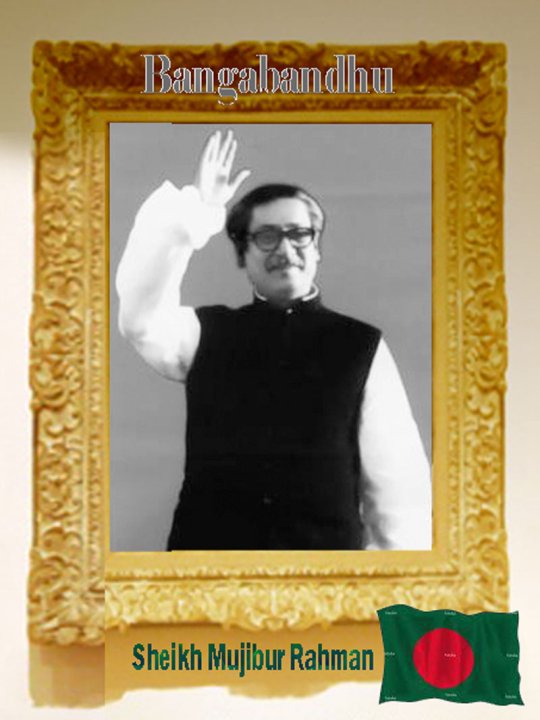
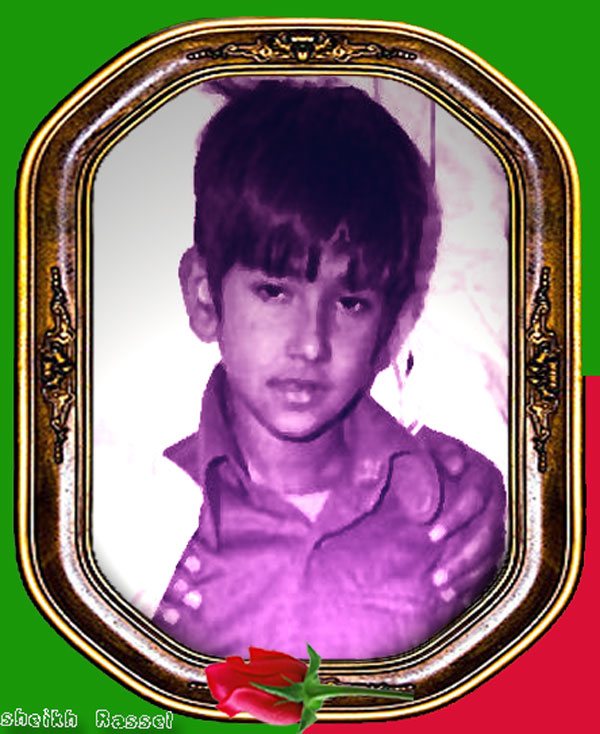
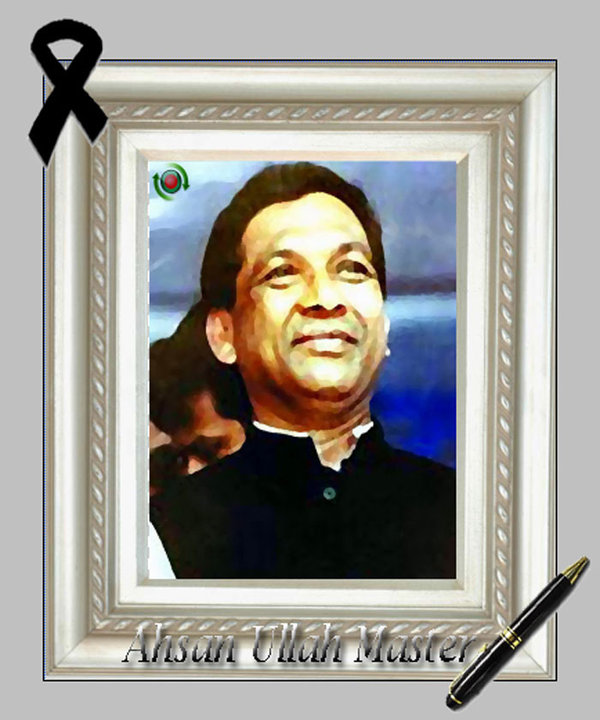
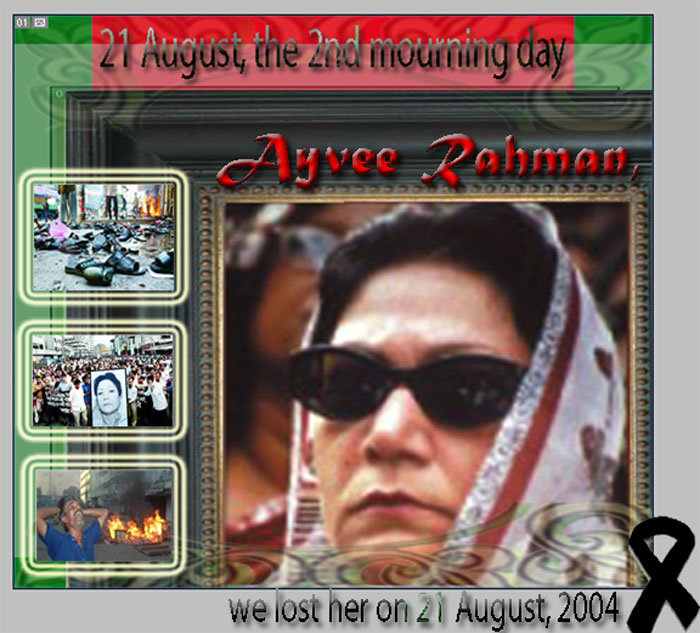
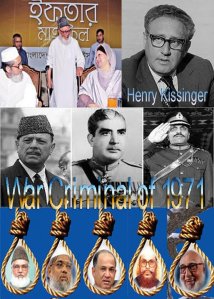
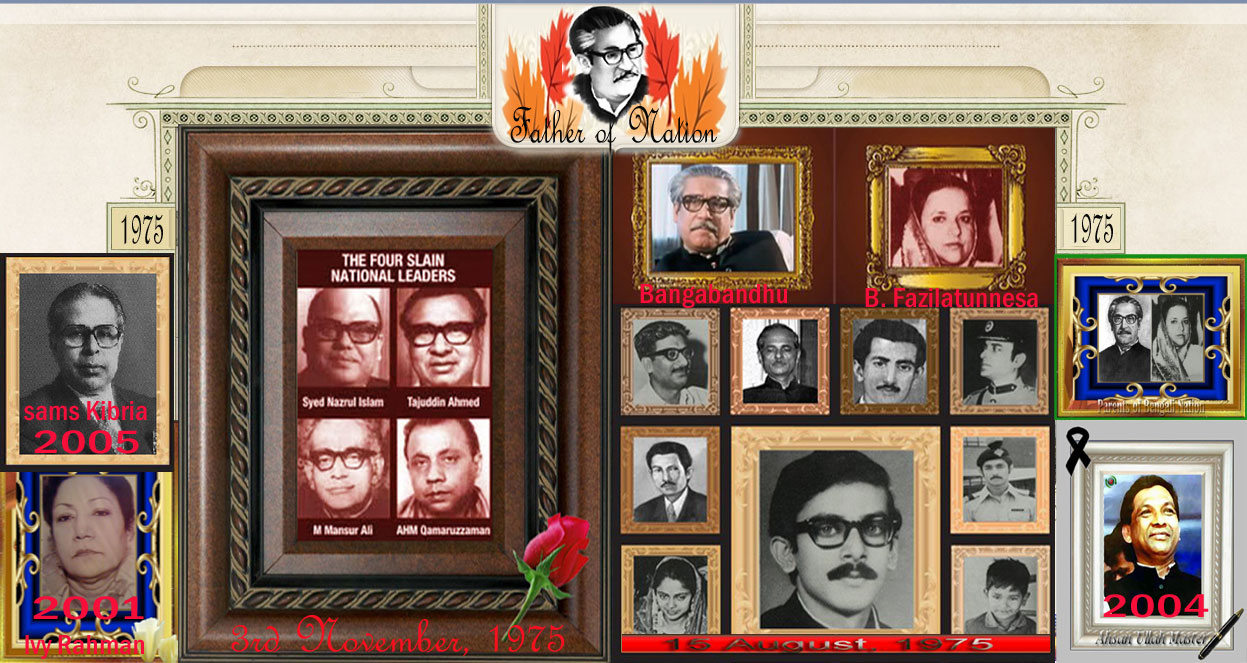


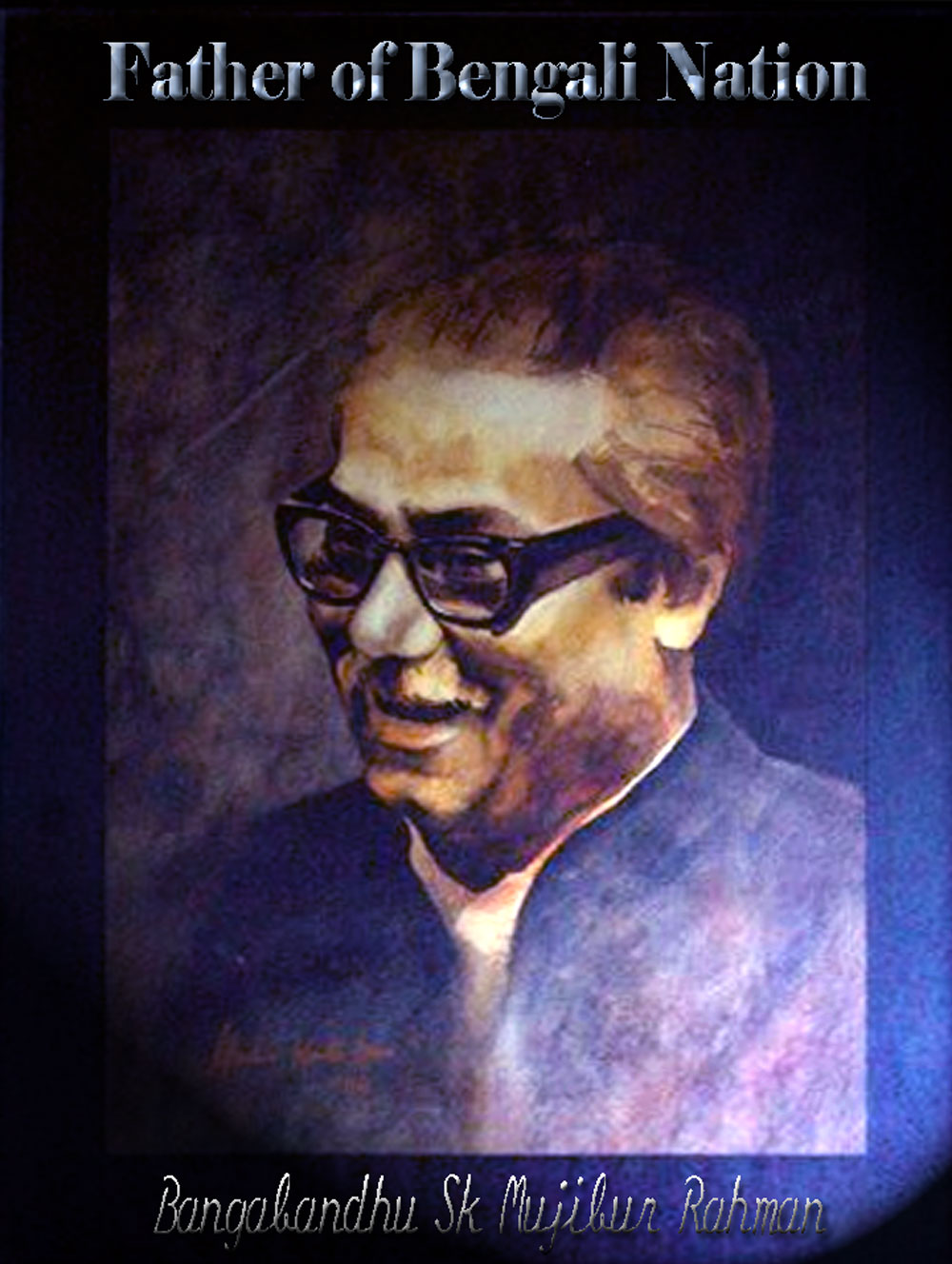
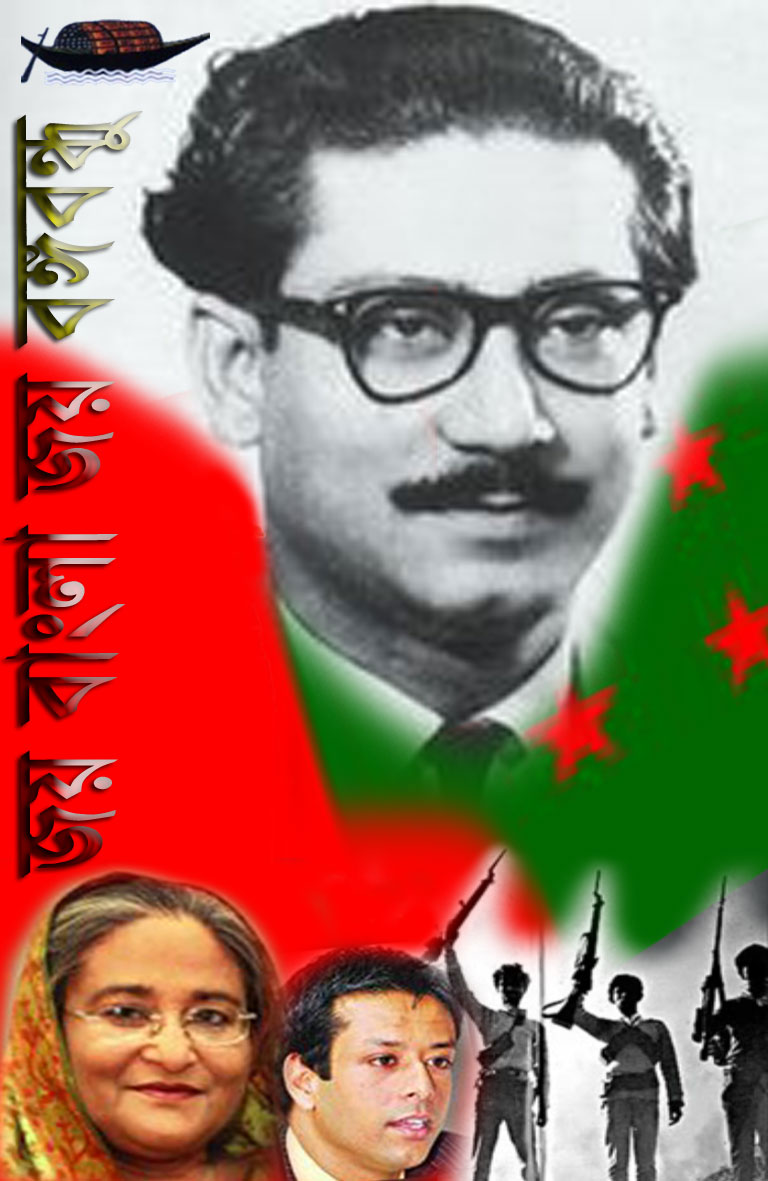
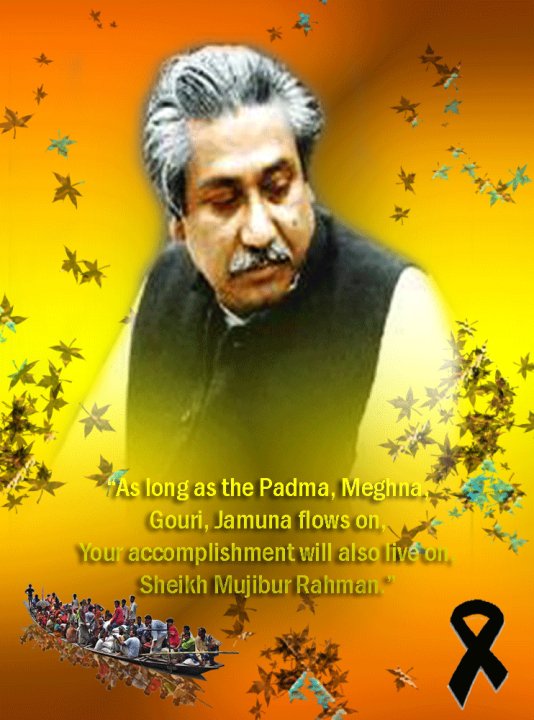
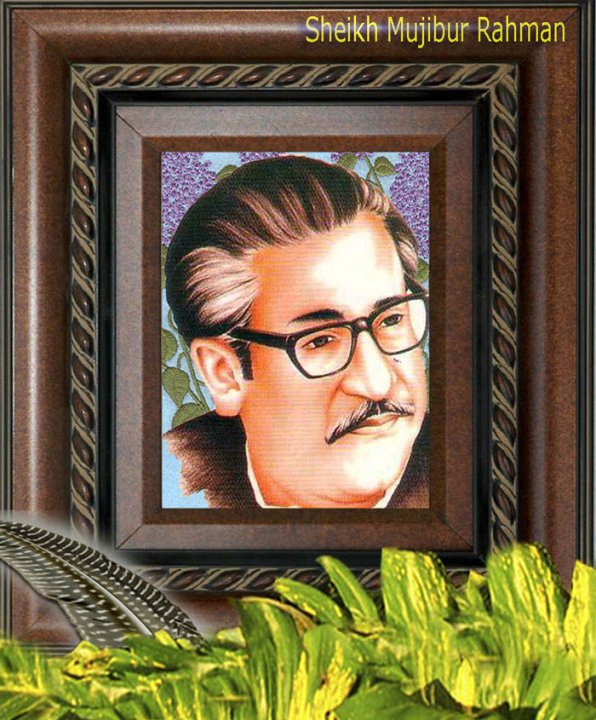
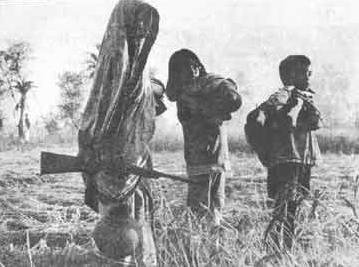

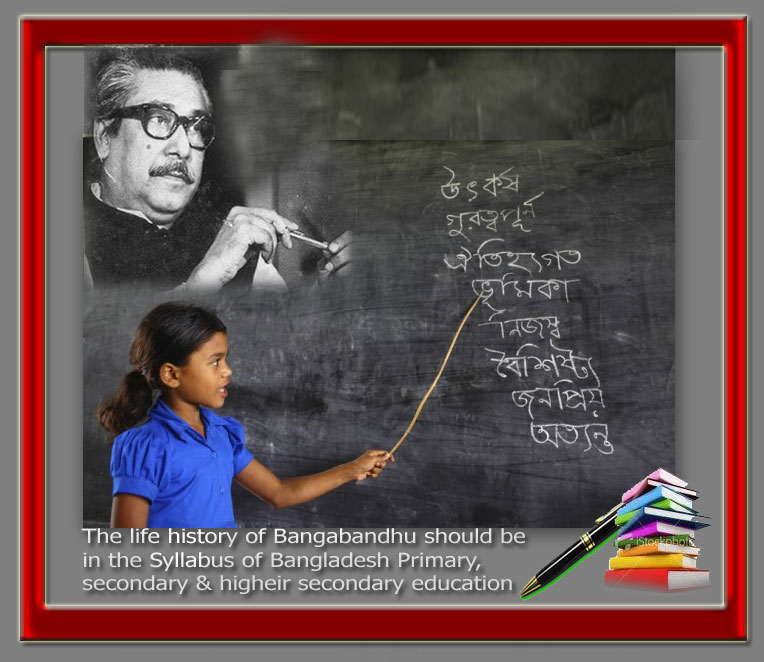
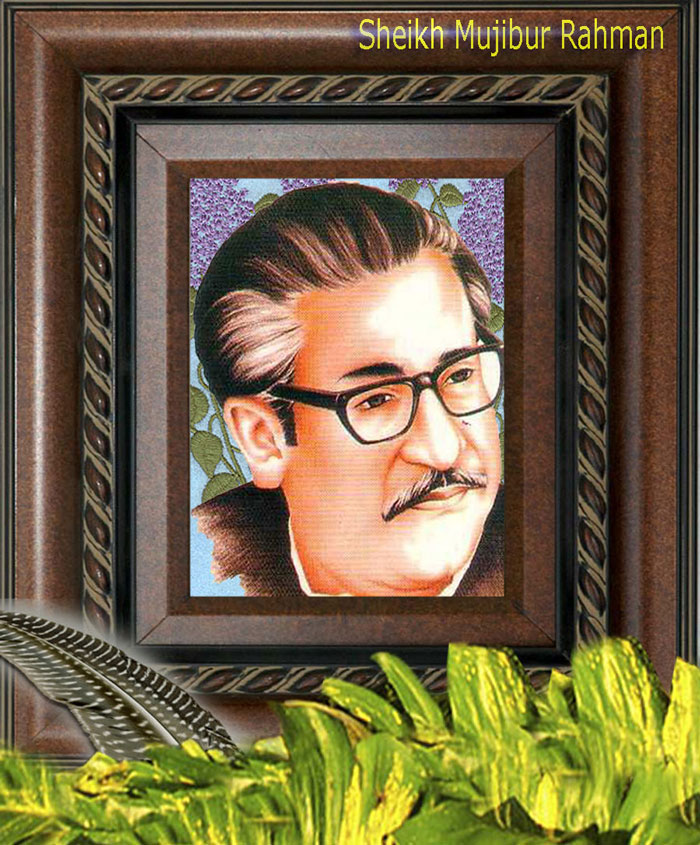
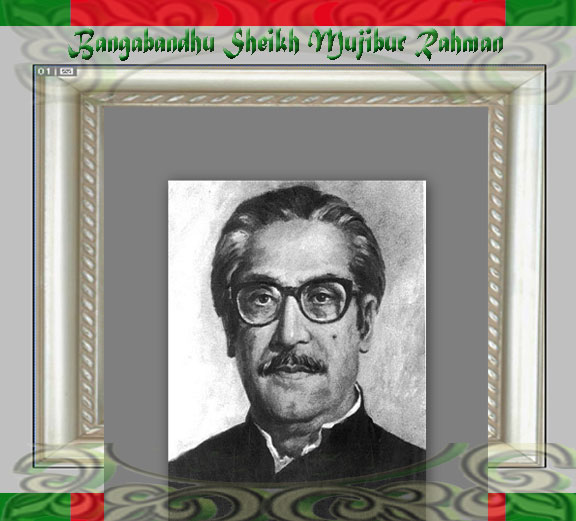
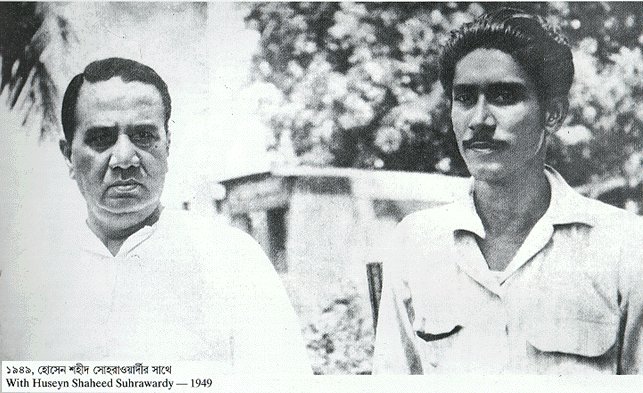
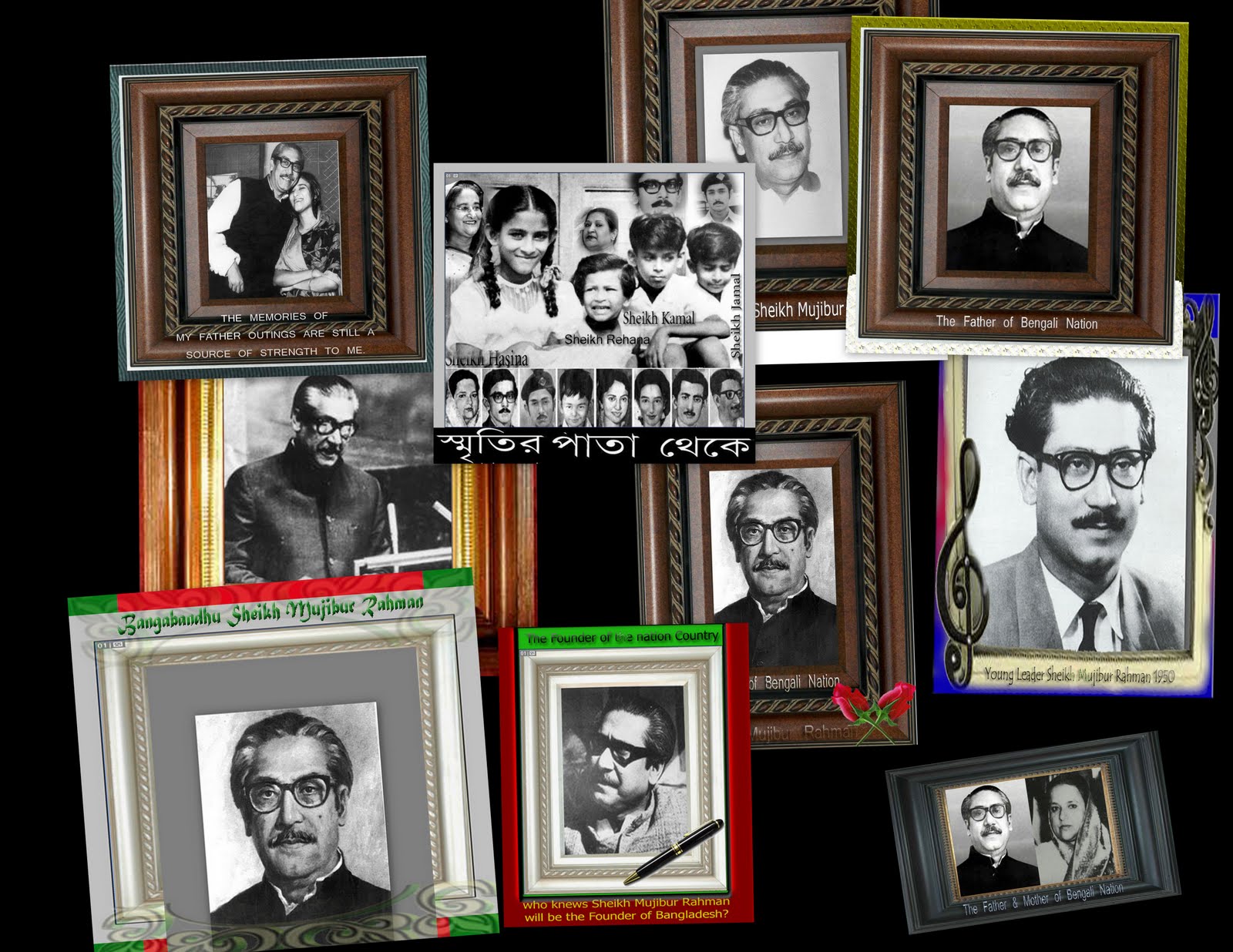
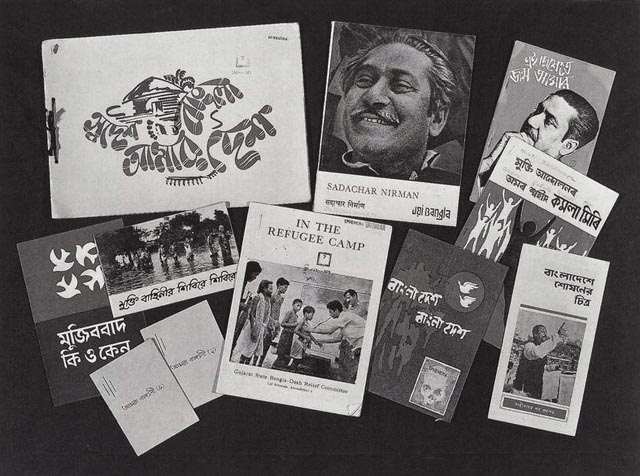
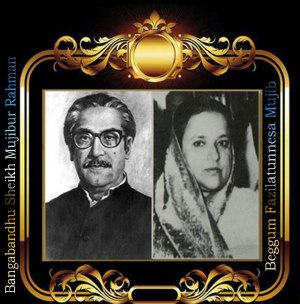
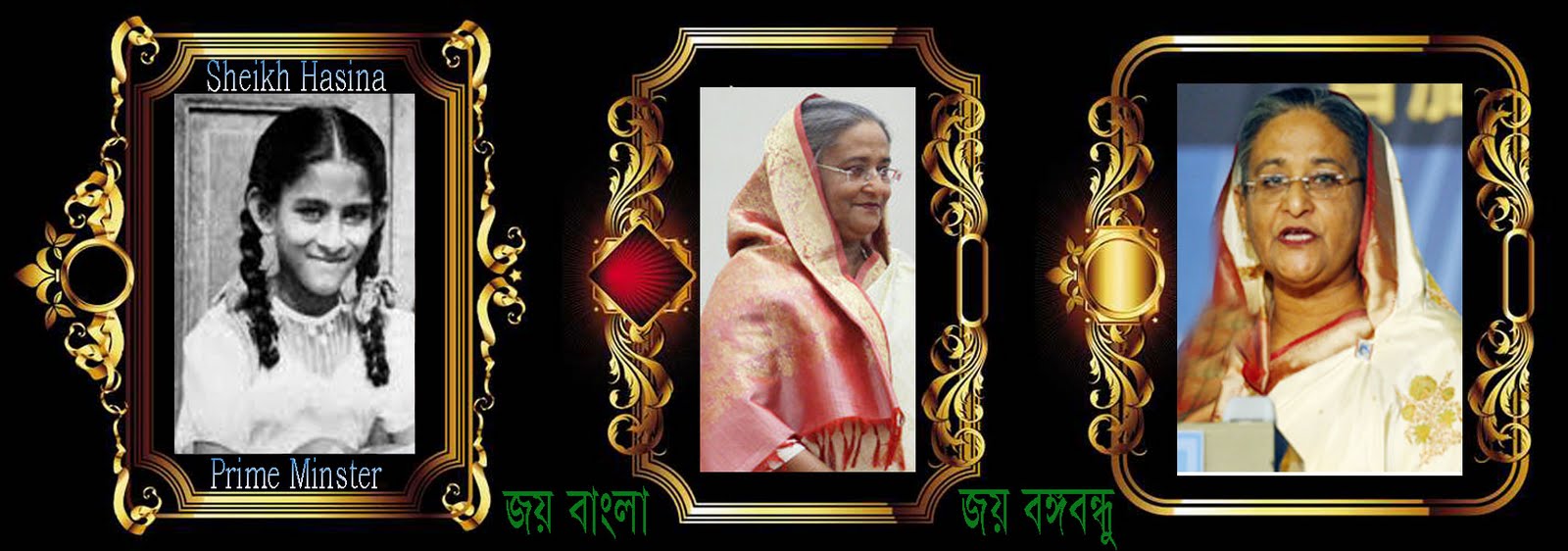
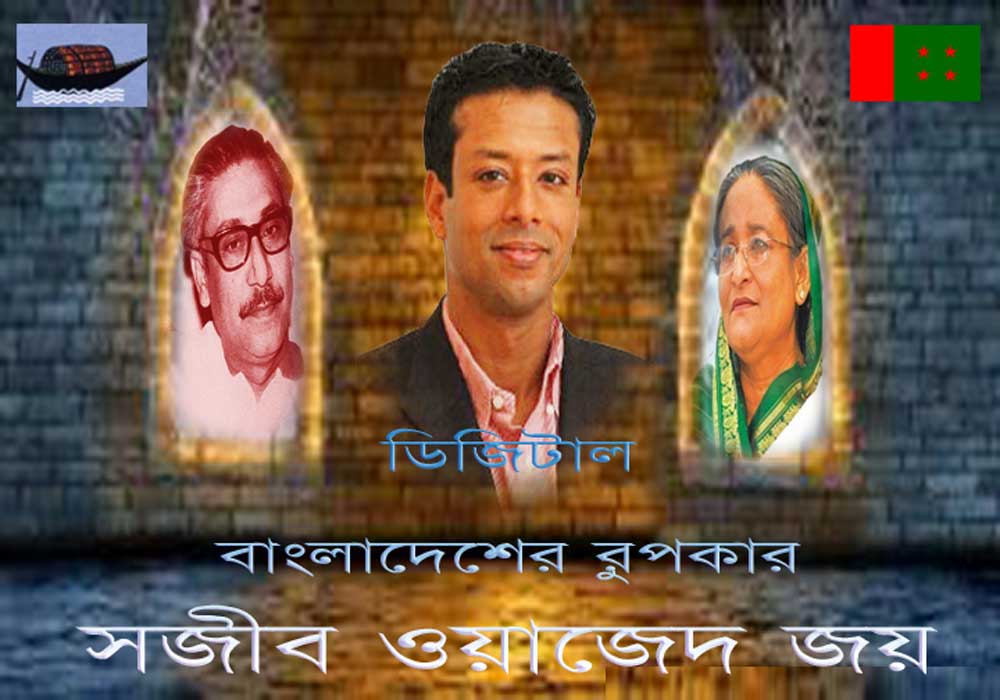
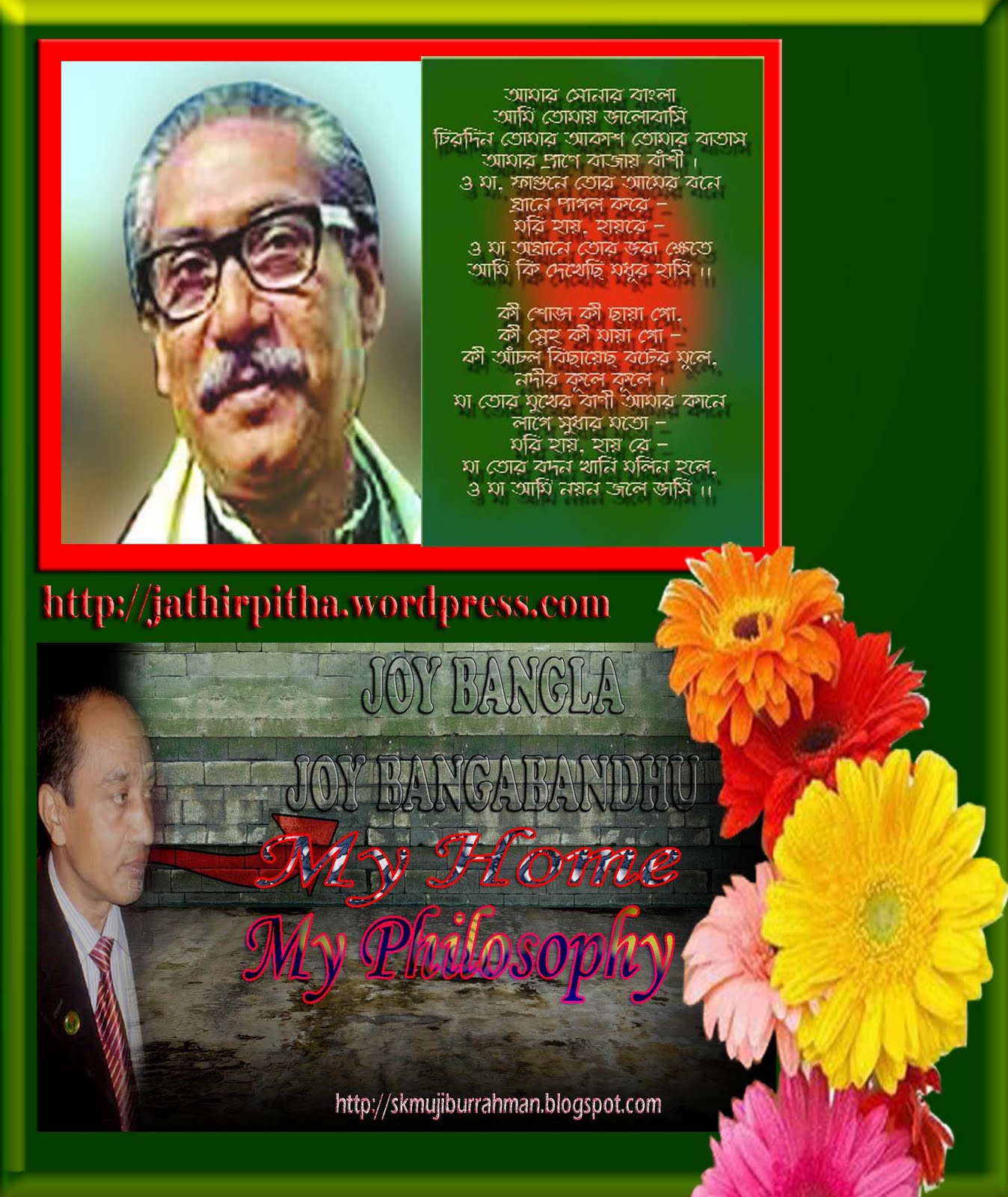
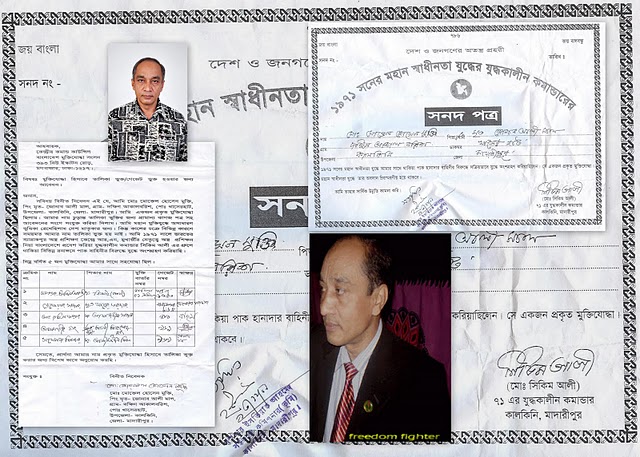
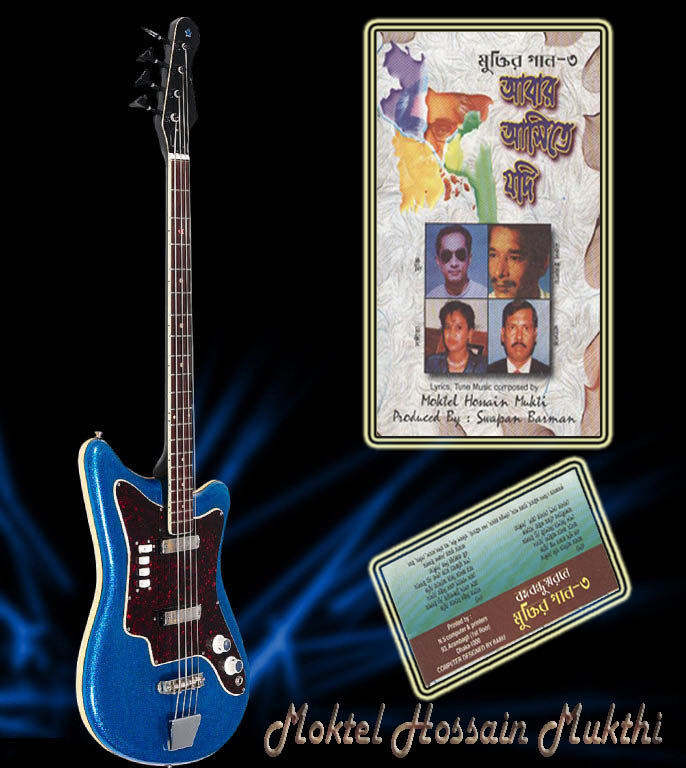
 নষ্ট ভ্রষ্ট আমরা বাঙ্গালী জাতি