
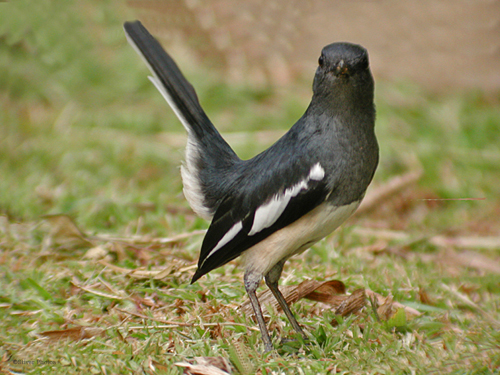
Magpie Robin – National Bird of Bangladesh
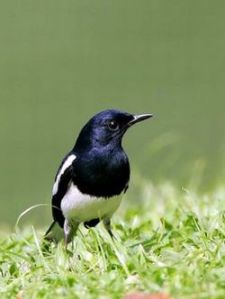
#বাংলাদেশের জাতীয় পাখির নাম দোয়েল।
# দোয়েল PasserFormes বর্ণের Muscicadac গোত্রের অন্তর্গত Urdinae উপগোত্রে পাখি।
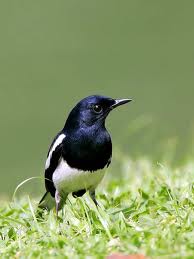
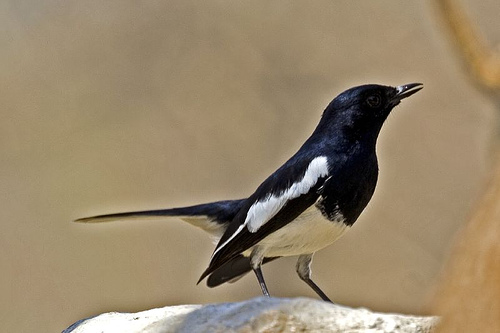
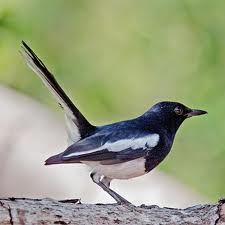
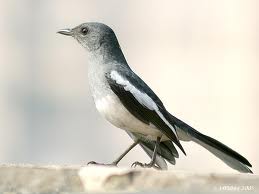
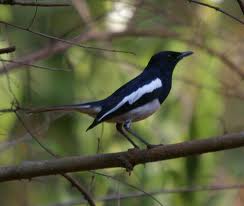
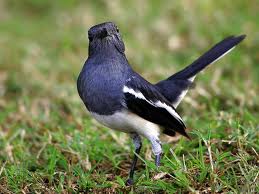
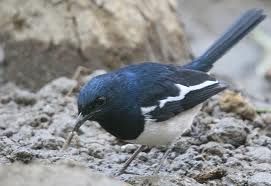
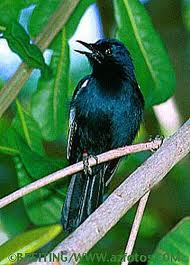
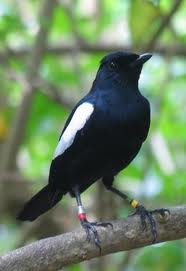
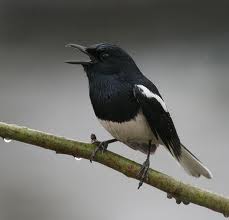
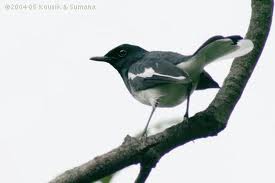
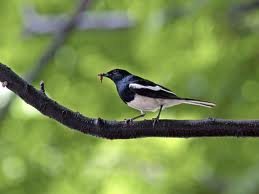
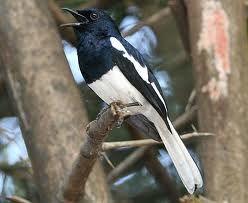
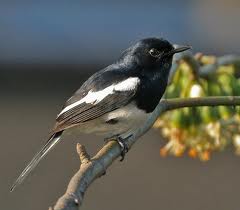
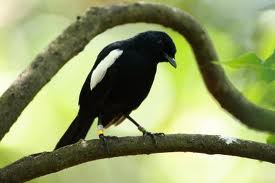
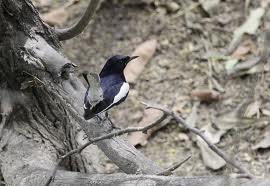
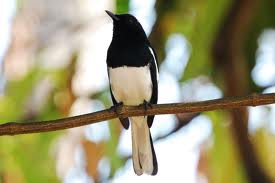
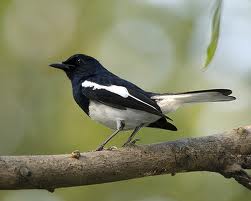
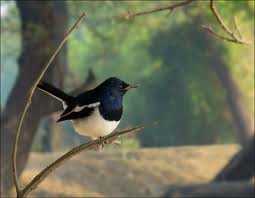
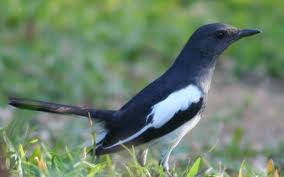
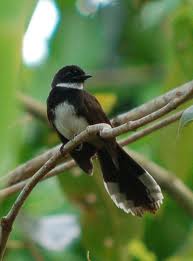
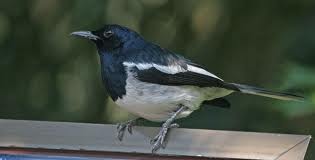
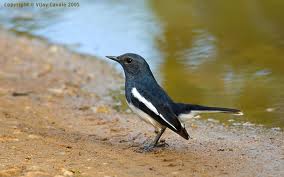
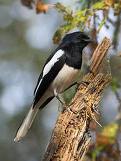
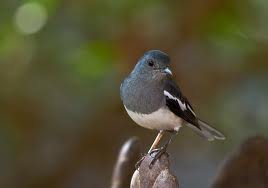
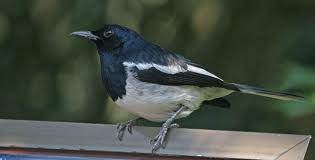
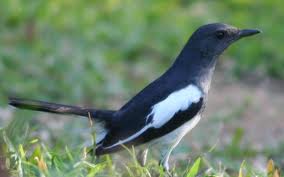
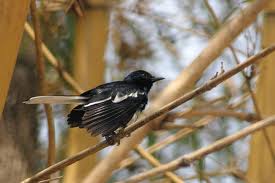
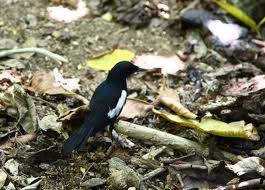
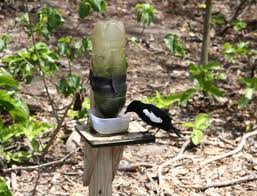
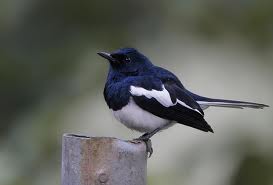
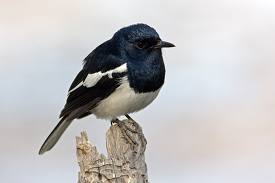
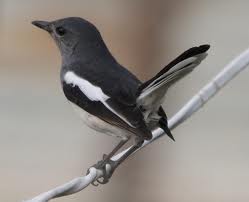
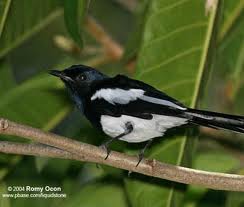
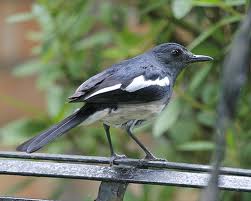
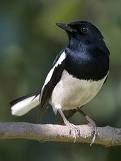
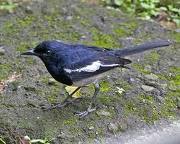
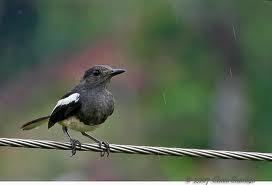
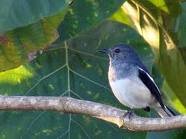
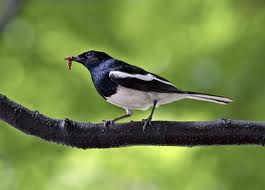
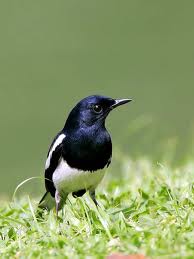
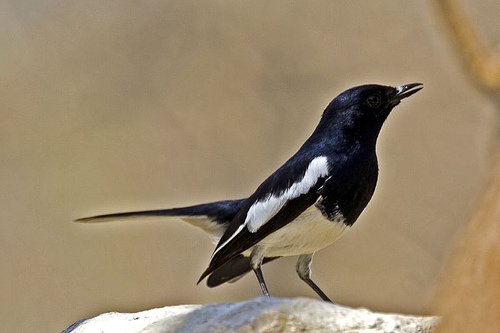
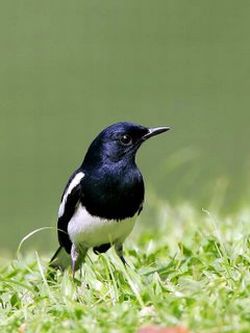
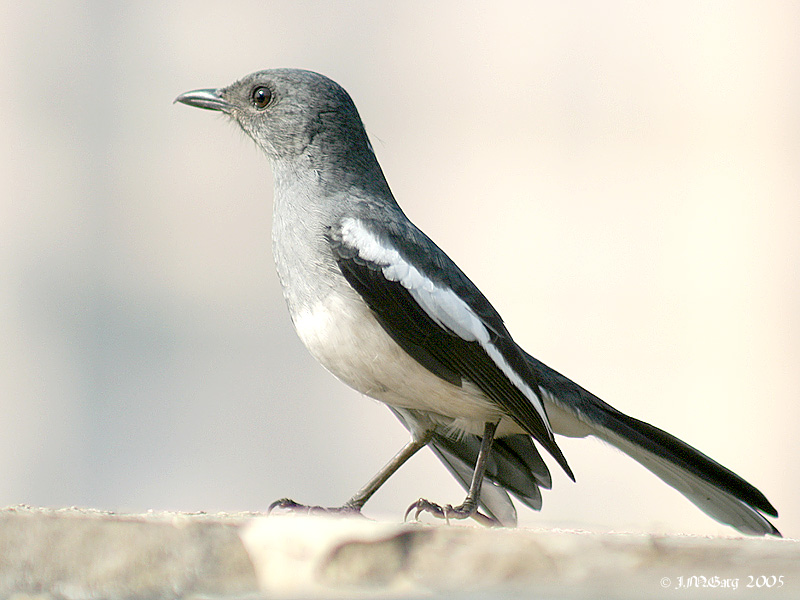
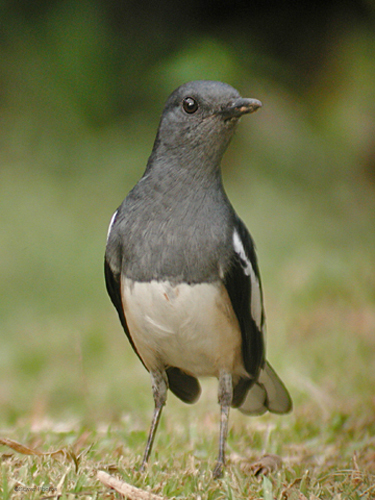
The Magpie Robin, or the doel as it is often referred to, is a very shy bird that only grows to approximately nineteen centimeters from head to tail. It is mostly known for its melodious c

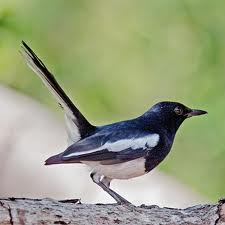
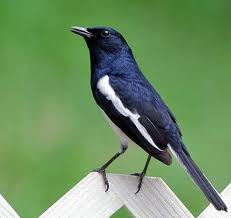
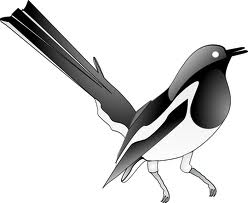
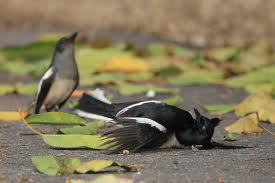
all, and also for being one of the numerous shy bird species. Magpie Robins in Bangladesh are therefore only found in the rural areas where it is quieter and they have the freedom to breed without being disturbed by human interference. They aredistinctive in their coloring, as the males have black heads, backs, wings and tail with white under parts and a little white plumage on their wings. The females look similar to the males, with the difference being that the females are grayer, with grayish-white under parts. They are also distinct in the fact that they keep their tails up in the air, which moves while they sing. Magpie Robins are able to mimic a variety of bird species calls.
They construct their nests in brushes and shrubs, and quieter regions are more suitable for them. Magpie Robins are
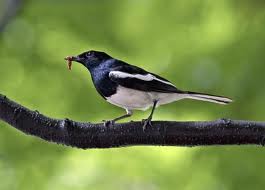
insect eaters and ca
n either be seen flying low to the ground or jumping through the forest brush in search of food between the fallen leaves. When visiting the outlying areas of Bangladesh, be sure to keep an eye out for these petite, yet significant birds, as seeing one of the country’s national emblems will be a moment to remember.







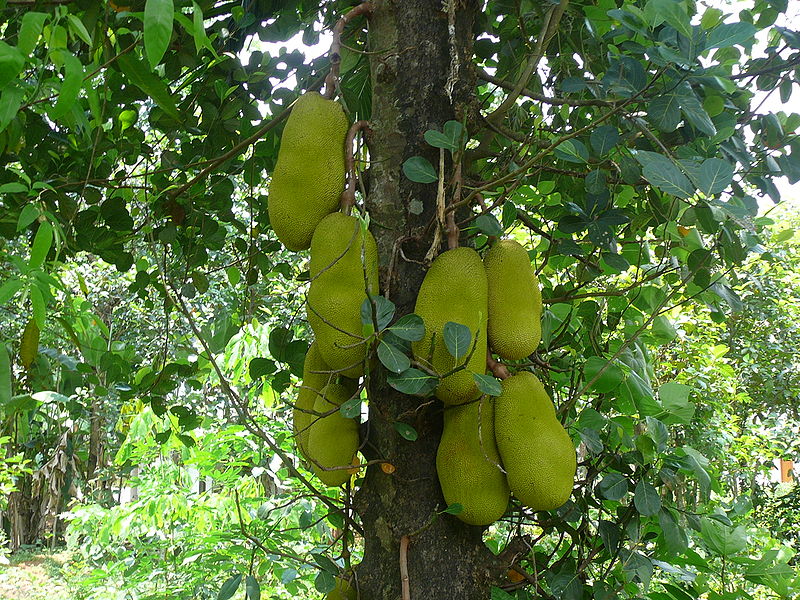
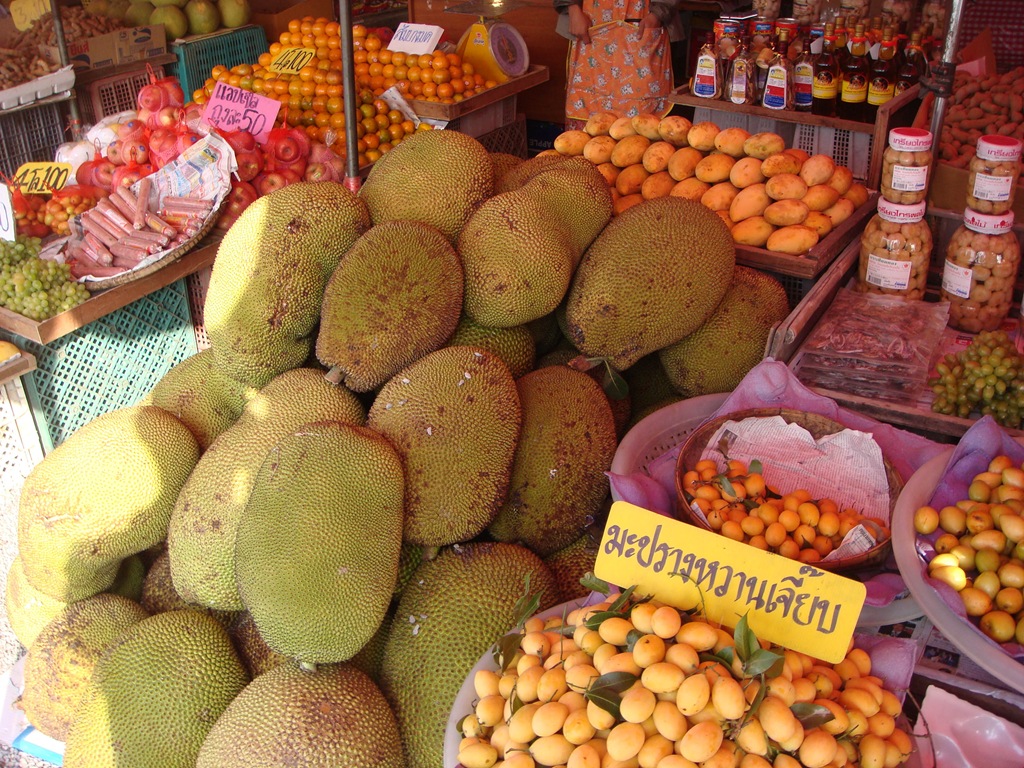

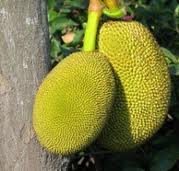

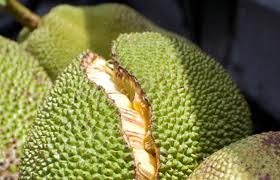
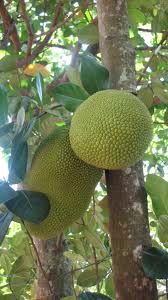
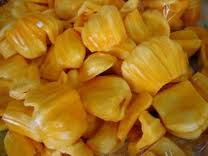
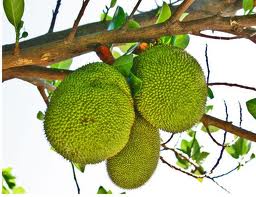
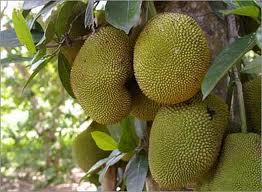
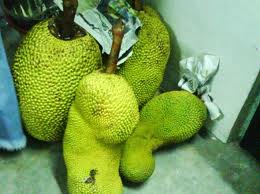
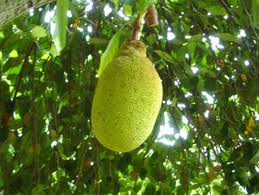
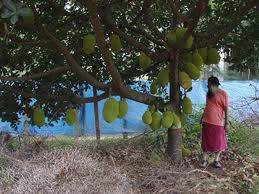
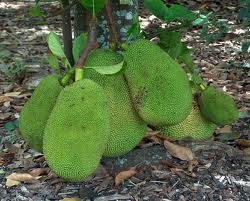
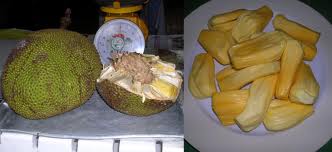
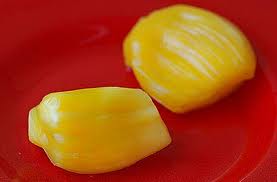
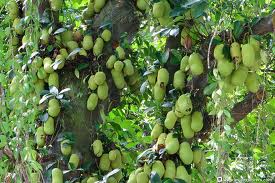
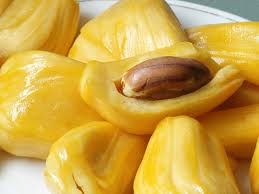
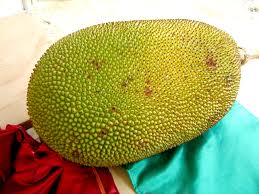
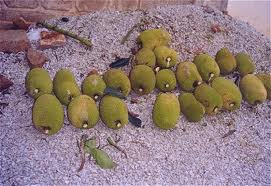
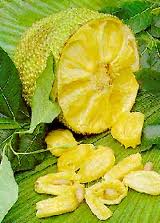
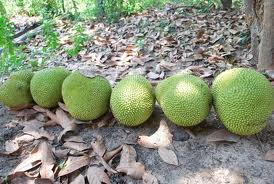
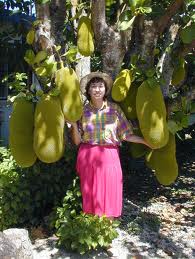
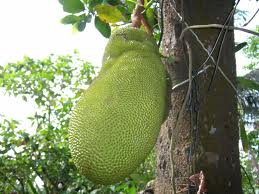
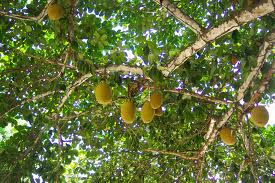
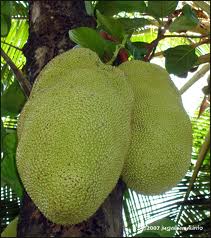
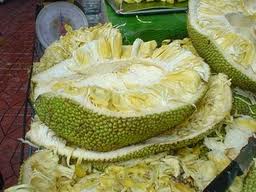
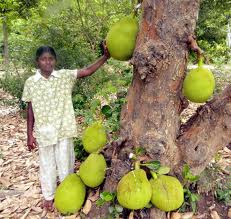
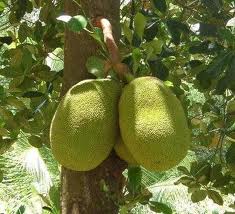
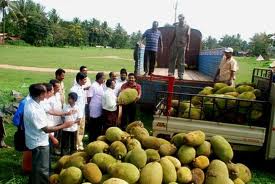
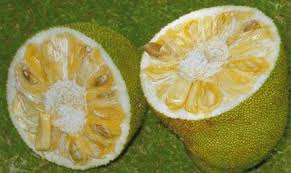
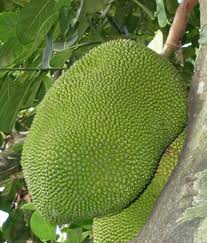
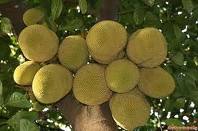
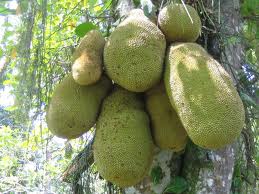
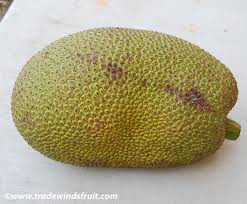
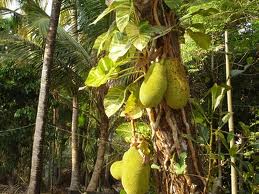
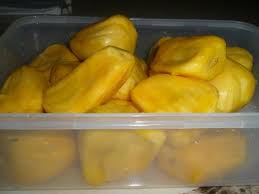
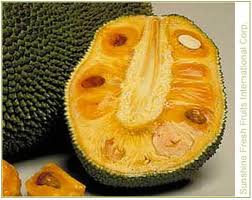
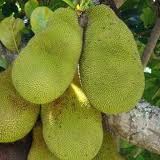
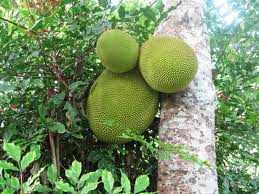
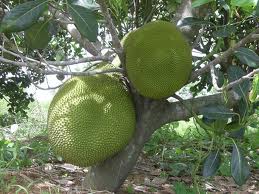
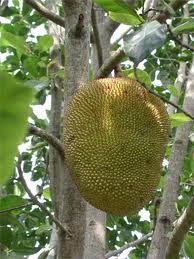
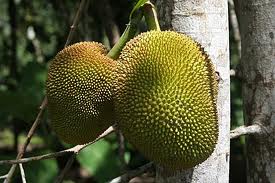
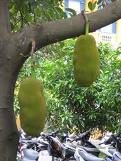
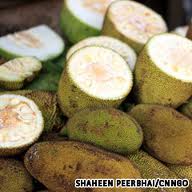
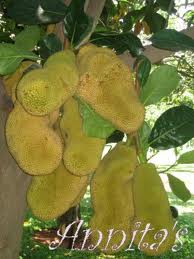
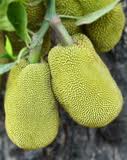
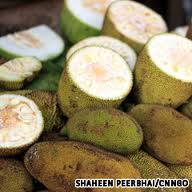
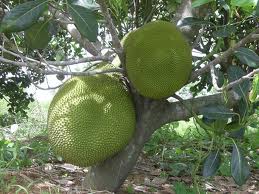
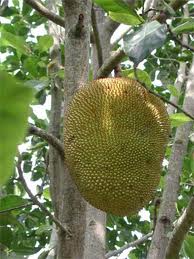
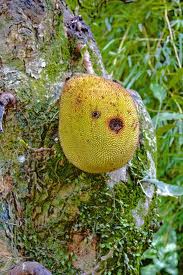
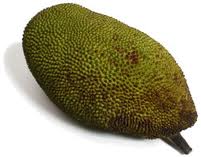
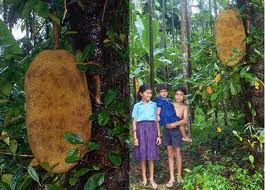
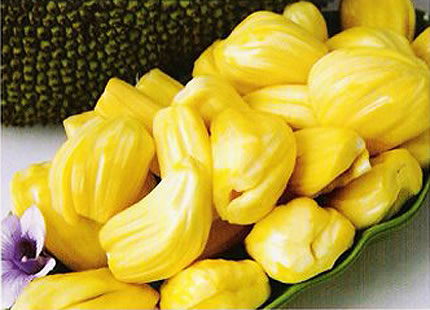
Jackfruit – National Fruit of Bangladesh
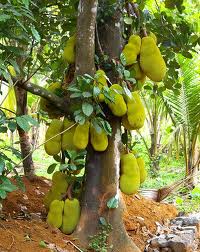
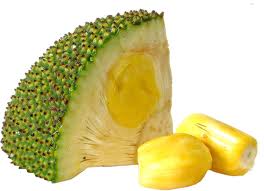
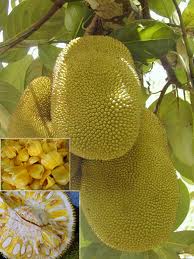
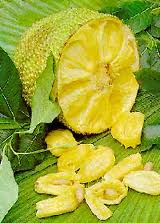
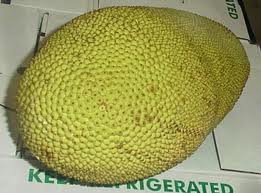
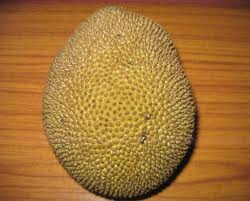
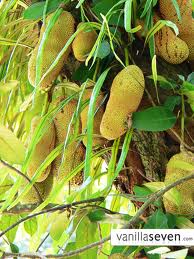
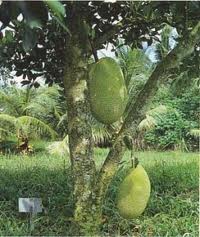
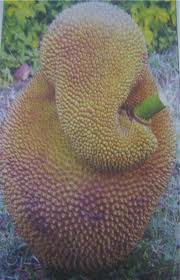
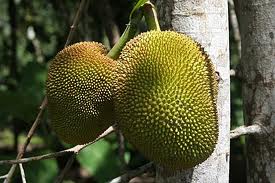
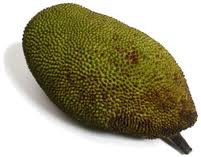
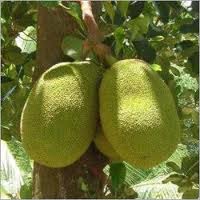
The jackfruit has been named as the national fruit of Bangladeshand is a fruit that has been in existence for thousands of years. It is believed that jackfruit trees were planted in Hawaii even before 1888 and archaeologists have estimated that it has been growing in India for between 3000 to 6000 years. It is one of the largest fruits to grow on trees in the world, and a Jackfruit Tree can live and bear fruit for approximately a hundred years if taken care of correctly.
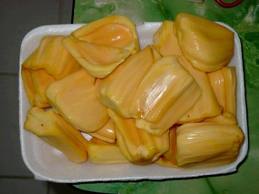
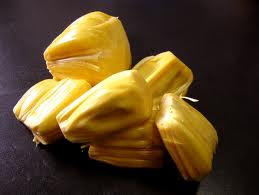
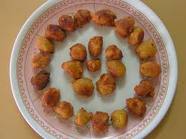
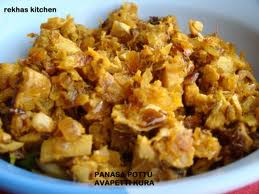
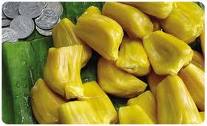
The climate in Bangladesh is perfect for the cultivation of jackfruit trees and in addition to its nutritional value, the Jackfruit is an inexpensive fruit and can be bought or grown in the poorest communities. The size of the fruit also adds to its value, but is unfortunately known to be somewhat of an acquired taste to some people. Jackfruit in Bangladesh is viewed as delicious, sweet, tasty and juicy, and many Bangladeshis use Jackfruit in their curries and other cuisine. It is made into a variety of different products, such as canned fruit, dried fruit and pulp.
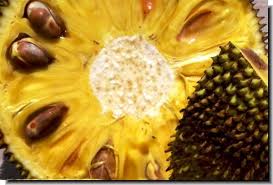
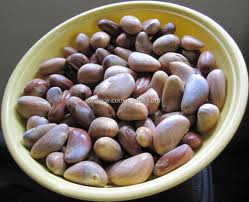
A typical Jackfruit Tree can bear an average of 150 pieces of fruit each year, although some of the more exotic jackfruit tree species are known to produce as many as 250 to 500 pieces. For many consumers, the Tree’s nutritional value rests in its seeds as Jackfruit seeds are extremely high in Vitamin B1 and Vitamin B2. The seeds also have very high starch content, but are quite low in the presence of iron and calcium. Each fruit can contain between 100 to 500 seeds, which are oily to the touch. The seeds are often preserved for later use and are often prepared in a mixture of brine, oil and syrup.
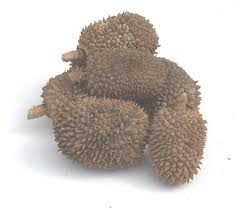
A close relative of the Jackfruit Tree that is also grown in Bangladesh is the Monkey Jack. Other countries, such as Pakistan and India use the Jackfruit in many aspects of their cuisine as it is often used in fruit salads, curries and soups. In Malaysia. Jackfruit it is eaten raw to curb hunger.
With so many uses, low cost and high nutritional value, it is no surprise that the jackfruit is the national fruit of Bangladesh.
 নষ্ট ভ্রষ্ট আমরা বাঙ্গালী জাতি