


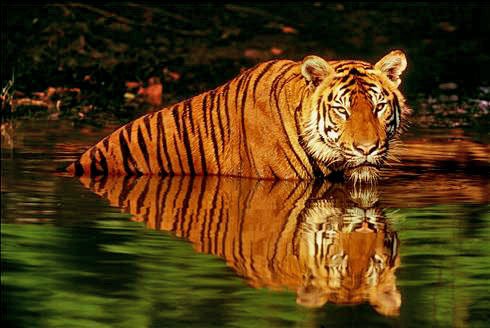
A fasicinating beauty of Sundorbon The beautiful sundorbon forest is the located in the khulna region of Bangladesh. It is famous for it’s natural beauty, Royal bengal, deer, mangrove forest and claimity.Now it is running towards the apex position of world wonder’s among the several world beauty place,area,natural and arificial creature.Sundarban has the world largest mangrove forest and natural habitat of Royal Bangal Tiger. Most populer tourist place in Bangladesh. Natural beauty, wildlife, river cruise are attractions for the tourist. Hi every body, I like to say you with cheerfulness that Mangrove Sundorbon is selected one of 7wonder place in world. It is situated in country of Bangladesh at Bagerhat area and fortunately, I live in that district. So I am very happy for it. Sundorbon is the biggest Mangrove forest in the whole world. The Royal Bengel Tiger lives in this Jangle. And many other animals, birds and trees are available in there. Nobody can enter in this jangle without gun. This is very very danger place for human. A lot of wild animals move there. world largest mangrove forest “Sundorbon” | New7Wonders. world largest mangrove forest “Sundorbon” all friends you are invited to visit sundorbon in bangladesh. The beautiful sundorbon forest is the located in the khulna region of Bangladesh. It is famous for it’s natural beauty, Royal bengal, deer, mangrove forest. The government of Bangladesh has recently provided an updated Ramsar Information Sheet on its Sundarbans Ramsar site, first designated for the Ramsar List in May 1992, enlarging its area from 596,000 to 601,700 hectares. Now to be called “Sundarbans Reserved Forest”, this Ramsar and World Heritage site is one of the most important mangrove forests in the world and has been significantly threatened from a number of directions for many years. The nearby Sundarbans mangrove forest across the border in India is not yet a Ramsar site but it is hoped that it will be soon. Ramsar’s Liazzat Rabbiosi has distilled from the new RIS a brief summary of the site’s main ecological and cultural features, and that’s available, with photographs, right here. The Sundarbans Reserved 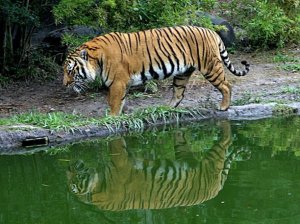 Forest (‘the Beautiful Forest’) is located between 21°27′ and 22°30’N, 89°02′ and 90°00’E at the confluence of the Ganges, Brahmaputra and Meghna rivers, which together with the innumerable small channels and creeks flowing into the Bay of Bengal dissect the whole area creating the largest contiguous mangrove forest in the world. The site is a hotspot of rich flora and fauna, home to a number of unique and globally or nationally endangered species of plants like rare Sundri (Heritiera fomes), Gewa (Excoecaria agallocha), Passur (Xylocarpus mekongensis), animals like endangered Royal Bengal . Tiger (Panthera tigris tigris), vulnerable Pallas Fishing Eagle (Haliaeetus leucoryphus) and Masked Finfoot (Heliopais personata), and critically endangered River Terrapin (Batagur baska), all listed in the IUCN Red Book, rare species of shark (Glephys gangeticus) and very rich avifauna with 315 species of which 84 are migratory. At this transitional zone between freshwater supplied by rivers and saline water pushed by high tides from open sea, many fish species such as Penaeus monodon, Macrobrachium rosenbergii, Lates calcarif, Metapeneaus monoceros and Pangaisus pangaisus depend for spawning and juvenile feeding on the Sundarbans aquatic habitat. The wetland is remarkable for protection from the tidal surge generated from the cyclonic depression in the Bay of Bengal. About one third of the total area is used as protected area for the conservation of biological diversity.
 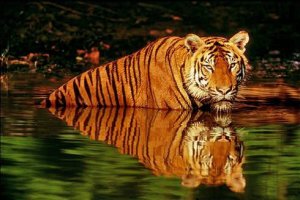 In addition, the abundant fish and biomass resources (namely timber, fuelwood, pulpwood, leaves, shells, crabs, honey and fish) are harvested by local communities. There is a shipping route through the Sundarbans. The area’s religious and cultural importance is reflected in a religious festival once a year which attracts local Hindu devotees and in the venerable ruined Hindu temple of Sheikh at Shekher Tek. The reduction in fresh water flow due to water diversion, the construction of dykes combined with the pollution of the industries and the ports of Khulna and Mongla have tremendously affected the plant and fish population of Sundarbans. The site is notable for the long history of scientific management with protected areas established along the southern periphery of this mangrove wetland. There are eight field stations that provide data for a number of ongoing studies and researches. Recently an information and education center was established at Khulna and a new Integrated Sundarbans management plan is under preparation under the Sundarbans Biodiversity Conservation Project funded by Asian Development Bank. world largest mangrove forest “Sundorbon” all friends you are invited to visit sundorbon in bangladesh. The beautiful sundorbon forest is the located in the khulna region of Bangladesh. It is famous for it’s natural
 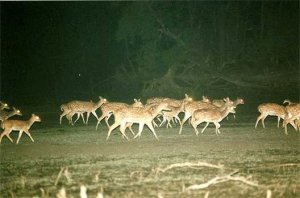 beauty, Royal bengal, deer, mangrove forest. Sundorbon: Largest Mangrove Forest in The World. Sundorbon is the largest mangrove forest in the world. It lies across areas of Bangladesh and West Bengal, India. Its a cluster of islands with an approximate area of 6000 sq. km. forming the largest block of littoral forests.It is estimated that there are now 400+ Bengal tigers and about 30,000+ spotted deer in the forest!UNESCO has decleared the Sundorbon a world heritage site that it offers splendid opportunities for tourism. About Sundorbon Forest It’s beauty lies in its unique natural surrounding. The Sundorbon is intersected by a complex network of tidal waterways, mudflats and small islands of salt-tolerant mangrove forests, and presents an excellent example of ongoing ecological processes. Thousands of meandering streams, creeks, rivers and estuaries have enhanced its charm. Sundarbans meaning beautiful forest is the natural habital of the world famous Royal Bengal Tiger, spotted deer, crocodiles, jungle fowl, wild boar, lizards, theses monkey and numerous species of birds. Migratory flock of Siberian ducks flying over thousands of sail boats loaded with timber, golpatta (round-leaf), fuel wood, honey, shell and fish further add to the serene natural beauty of the Sundarbans. It is estimated that there are now 400+ Bengal tigers and about 30,000+ spotted deer in the forest!AREANearly 2400 sq. miles or 6000 sq. km.FOREST LIMITSNorth-Bagerhat, Khulna and Sathkira districts : South-Bay of Bengal; East-Baleswar (or Haringhata) river, Perojpur, Barisal district and West-Raimangal and Hariabhanga rivers which partially form Bangladesh boundary with West Bengal in India. MAIN ATTRACTIONS Wildlife photography including photography of the famous Royal Bengal Tiger, wildlife viewing, boating inside the forest will call recordings, nature study, meeting fishermen, wood-cutters and honey-collectors, peace and tranquility in the wilderness, seeing the world’s largest mangrove forest and the riverine beauty. Sundorbon selected as one of the new seven wonders of the world!
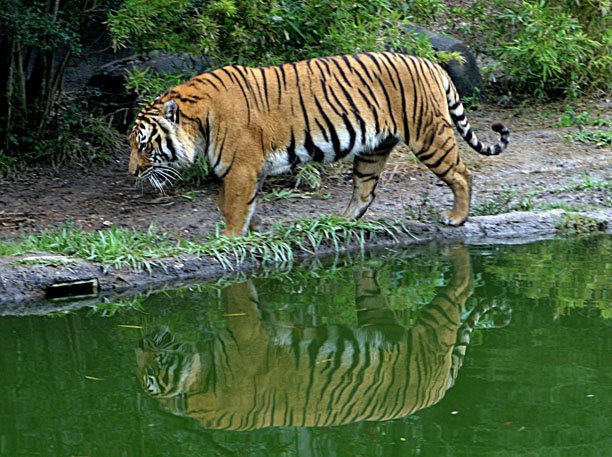 Forest (‘the Beautiful Forest’) is located between 21°27′ and 22°30’N, 89°02′ and 90°00’E at the confluence of the Ganges, Brahmaputra and Meghna rivers, which together with the innumerable small channels and creeks flowing into the Bay of Bengal dissect the whole area creating the largest contiguous mangrove forest in the world. The site is a hotspot of rich flora and fauna, home to a number of unique and globally or nationally endangered species of plants like rare Sundri (Heritiera fomes), Gewa (Excoecaria agallocha), Passur (Xylocarpus mekongensis), animals like endangered Royal Bengal . Tiger (Panthera tigris tigris), vulnerable Pallas Fishing Eagle (Haliaeetus leucoryphus) and Masked Finfoot (Heliopais personata), and critically endangered River Terrapin (Batagur baska), all listed in the IUCN Red Book, rare species of shark (Glephys gangeticus) and very rich avifauna with 315 species of which 84 are migratory. At this transitional zone between freshwater supplied by rivers and saline water pushed by high tides from open sea, many fish species such as Penaeus monodon, Macrobrachium rosenbergii, Lates calcarif, Metapeneaus monoceros and Pangaisus pangaisus depend for spawning and juvenile feeding on the Sundarbans aquatic habitat. The wetland is remarkable for protection from the tidal surge generated from the cyclonic depression in the Bay of Bengal. About one third of the total area is used as protected area for the conservation of biological diversity.
  In addition, the abundant fish and biomass resources (namely timber, fuelwood, pulpwood, leaves, shells, crabs, honey and fish) are harvested by local communities. There is a shipping route through the Sundarbans. The area’s religious and cultural importance is reflected in a religious festival once a year which attracts local Hindu devotees and in the venerable ruined Hindu temple of Sheikh at Shekher Tek. The reduction in fresh water flow due to water diversion, the construction of dykes combined with the pollution of the industries and the ports of Khulna and Mongla have tremendously affected the plant and fish population of Sundarbans. The site is notable for the long history of scientific management with protected areas established along the southern periphery of this mangrove wetland. There are eight field stations that provide data for a number of ongoing studies and researches. Recently an information and education center was established at Khulna and a new Integrated Sundarbans management plan is under preparation under the Sundarbans Biodiversity Conservation Project funded by Asian Development Bank. world largest mangrove forest “Sundorbon” all friends you are invited to visit sundorbon in bangladesh. The beautiful sundorbon forest is the located in the khulna region of Bangladesh. It is famous for it’s natural
 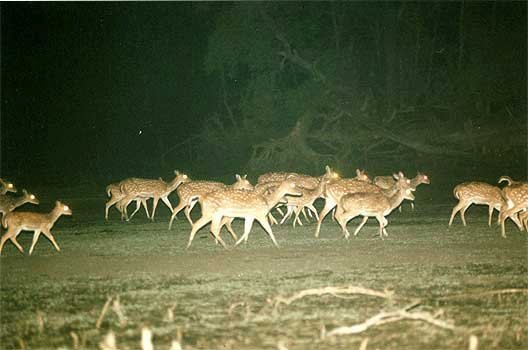 beauty, Royal bengal, deer, mangrove forest. Sundorbon: Largest Mangrove Forest in The World. Sundorbon is the largest mangrove forest in the world. It lies across areas of Bangladesh and West Bengal, India. Its a cluster of islands with an approximate area of 6000 sq. km. forming the largest block of littoral forests.It is estimated that there are now 400+ Bengal tigers and about 30,000+ spotted deer in the forest!UNESCO has decleared the Sundorbon a world heritage site that it offers splendid opportunities for tourism. About Sundorbon Forest It’s beauty lies in its unique natural surrounding. The Sundorbon is intersected by a complex network of tidal waterways, mudflats and small islands of salt-tolerant mangrove forests, and presents an excellent example of ongoing ecological processes. Thousands of meandering streams, creeks, rivers and estuaries have enhanced its charm. Sundarbans meaning beautiful forest is the natural habital of the world famous Royal Bengal Tiger, spotted deer, crocodiles, jungle fowl, wild boar, lizards, theses monkey and numerous species of birds. Migratory flock of Siberian ducks flying over thousands of sail boats loaded with timber, golpatta (round-leaf), fuel wood, honey, shell and fish further add to the serene natural beauty of the Sundarbans. It is estimated that there are now 400+ Bengal tigers and about 30,000+ spotted deer in the forest!AREANearly 2400 sq. miles or 6000 sq. km.FOREST LIMITSNorth-Bagerhat, Khulna and Sathkira districts : South-Bay of Bengal; East-Baleswar (or Haringhata) river, Perojpur, Barisal district and West-Raimangal and Hariabhanga rivers which partially form Bangladesh boundary with West Bengal in India. MAIN ATTRACTIONS Wildlife photography including photography of the famous Royal Bengal Tiger, wildlife viewing, boating inside the forest will call recordings, nature study, meeting fishermen, wood-cutters and honey-collectors, peace and tranquility in the wilderness, seeing the world’s largest mangrove forest and the riverine beauty. Sundorbon selected as one of the new seven wonders of the world!



 নষ্ট ভ্রষ্ট আমরা বাঙ্গালী জাতি